






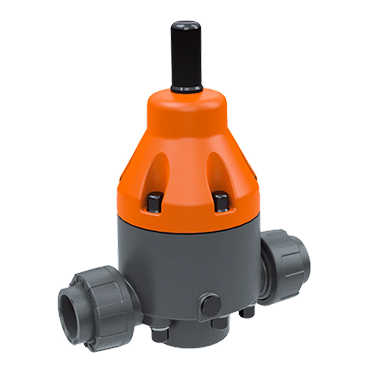
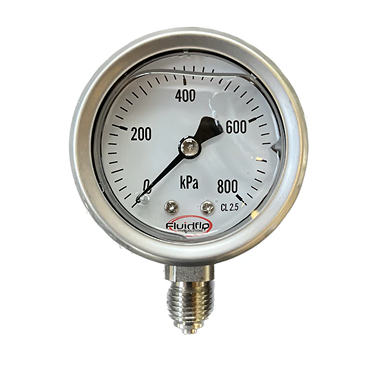
Valves are a vital part of the chemical industry, helping to control, regulate and direct the flow of various fluids. There are a variety of valves that are appropriate for processes in the chemical industry that are suited for different applications. Ball and gate valves are commonly used due to their simple designs and air-tight seals. Check valves are also installed in many applications to prevent backflow within chemical piping.
Due to the challenging nature of this industry, valves are often required to work under high pressure, extreme temperatures, and in contact with corrosive chemicals. This makes choosing the appropriate valve an important factor that ensures the safety and efficiency of chemical processes are maintained.
Common Valves in the Chemical Industry
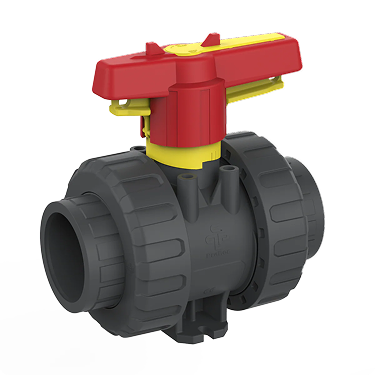
Thermoplastic ball valves
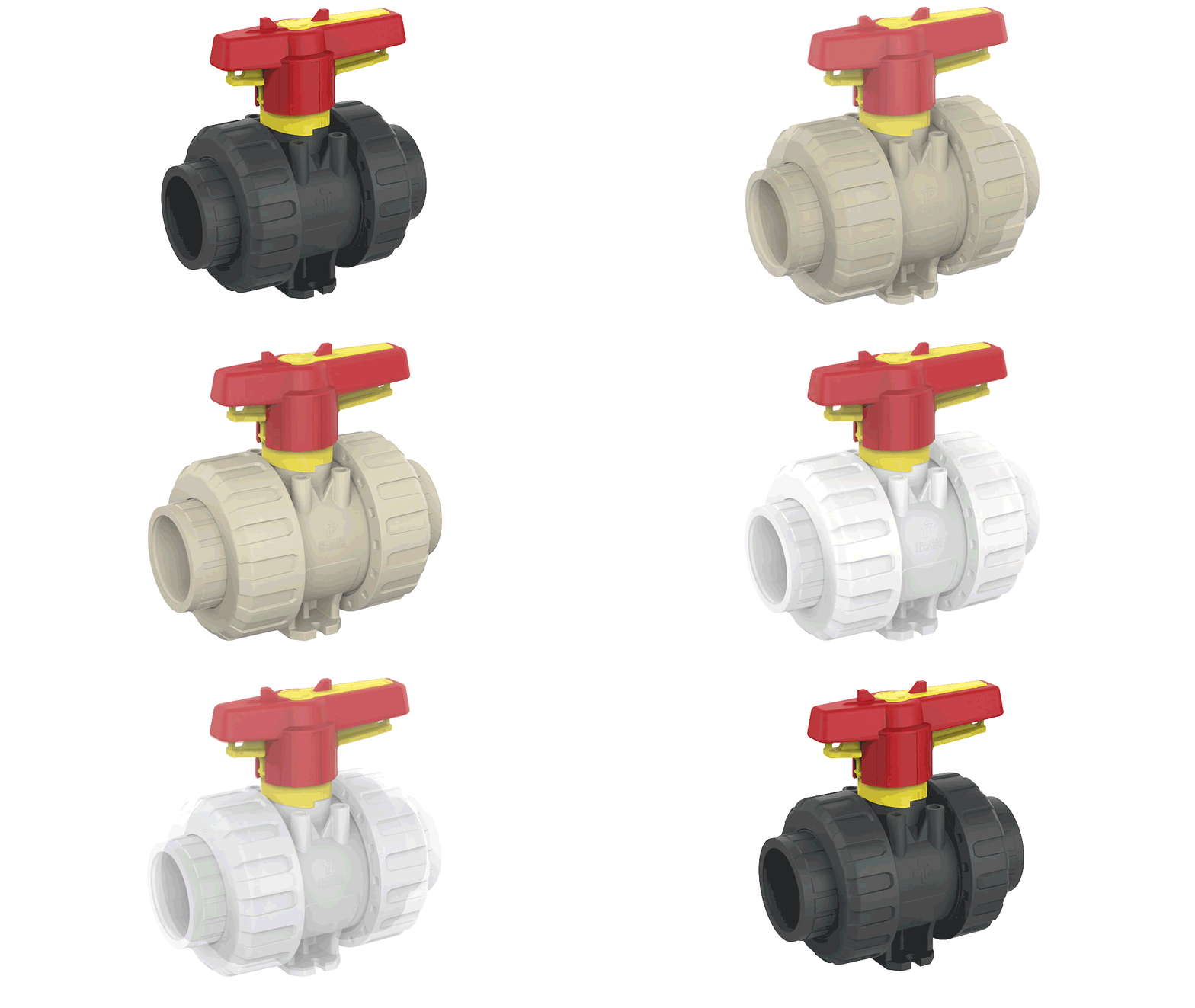
One of the most widely used valves in chemical applications. Ball valves feature a hollow ball that rotates within the body of the valve to control flow. As a quarter-turn valve, it requires just a 90° rotation to align the ball with the flow inlet, to let fluid through.
They are commonly used within the chemical industry due to the air-tight seal they can deliver when in the closed position. Even after long periods, this seal is leak-tight and can effectively block any corrosive chemicals or aggressive fluids. The corrosion-resistant properties of the plastic ball valves ensure reliability and longevity through harsh chemical conditions. Depending on the chemicals involved, you can choose between PVC-U, PVC-C, PP or PVDF.
Gate valves
Like a ball valve, gate valves are simple in their design, using a flat or wedge-shaped gate that moves up and down to control flow. When the gate is up, the fluid can flow through unobstructed. When the gate is down, the flow is completely cut off.
They are typically used in chemical plants that require full-bore flow paths, such as piping or large tanks. They are also popular for their quick shut-off capabilities in emergencies where rapidly blocking the flow of fluid helps to promote worker safety and system integrity.
Globe valves
Constructed with a globe-shaped design and a plug that moves up and down to regulate the flow. Because of their design, globe valves are great for start/stop functions, with the flow stopping when the plug is down and continuing when it’s raised.
For the chemical industry, globe valves are effective at regulating both the flow and pressure of various chemicals. Particularly in operations where maintaining accurate flow is critical, such as for chemical processing. Unlike ball and gate valves, globe valves are designed to operate for long periods in a partially open position for throttling without the same wear and tear.
Butterfly valves
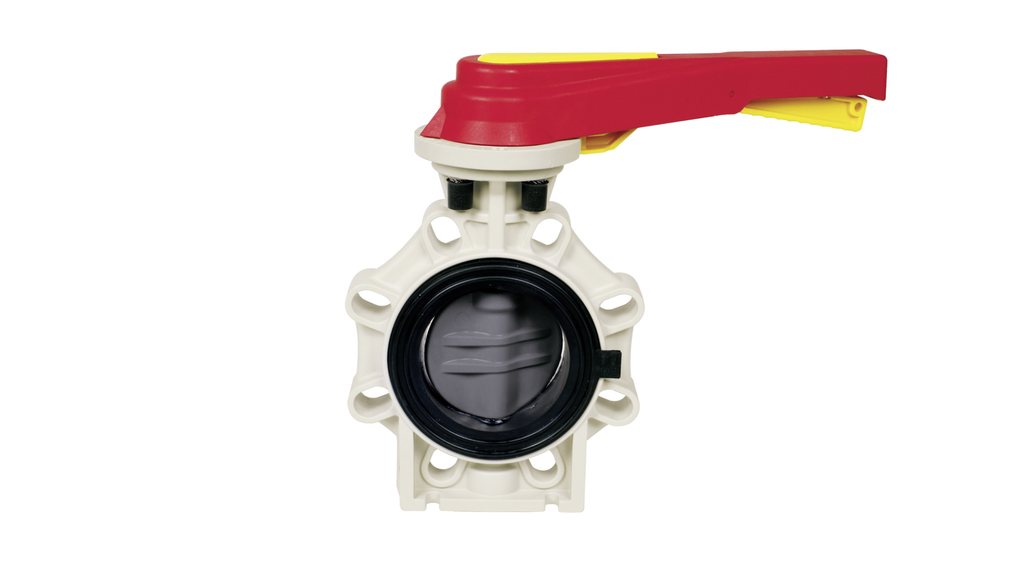
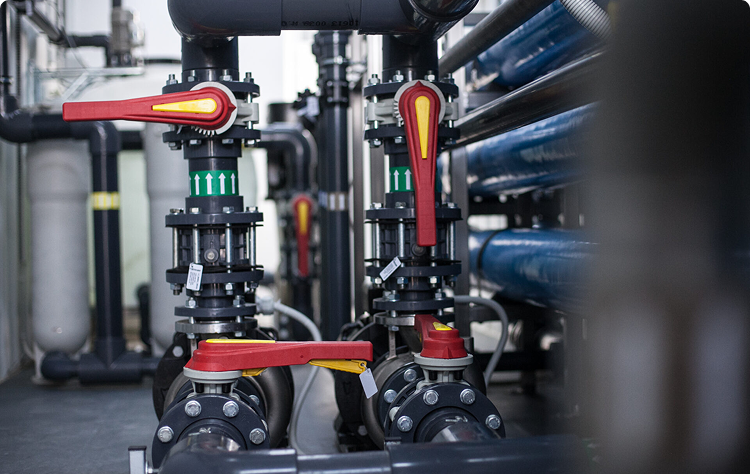
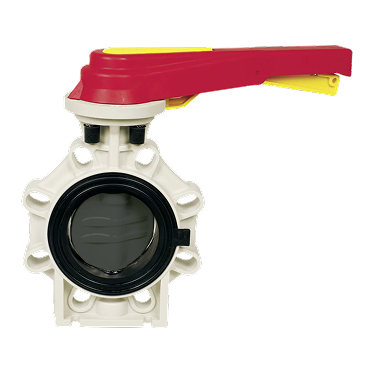
Butterfly valves incorporate a disc that rotates within their bodies to regulate the flow of a medium. When closed, the disc sits vertically in the flow path and rotates in parallel to it when it opens, to allow liquid to flow through unimpeded.
A butterfly valve is easy to install and compatible with a wide range of actuators. They are also incredibly lightweight, approximately 70% lighter than globe valves, meaning they are ideal for various chemical applications where weight is a structural concern. For chemical operations, butterfly valves are commonly used to regulate and isolate the flow of various liquids, gases and slurries.
Check valves
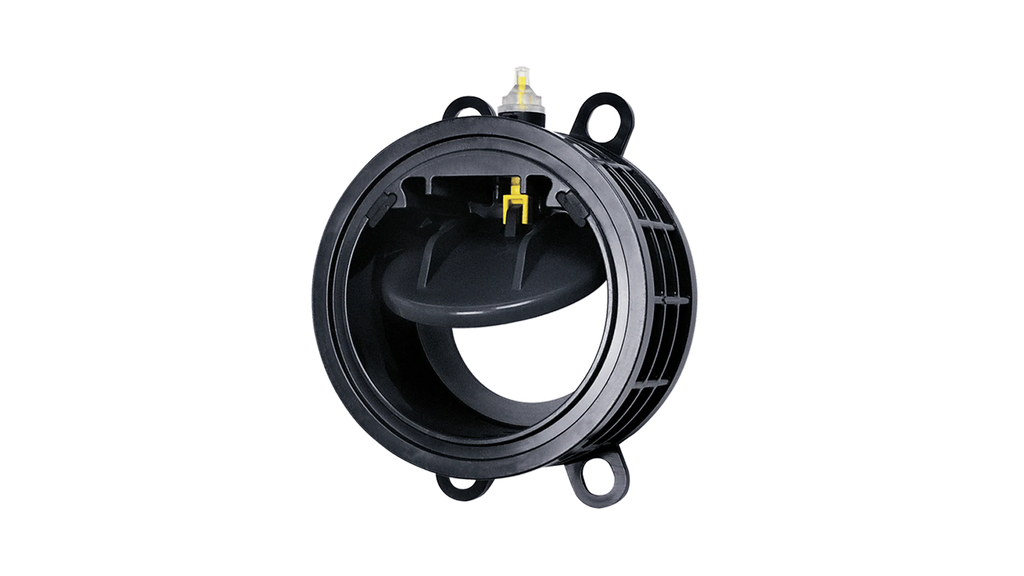
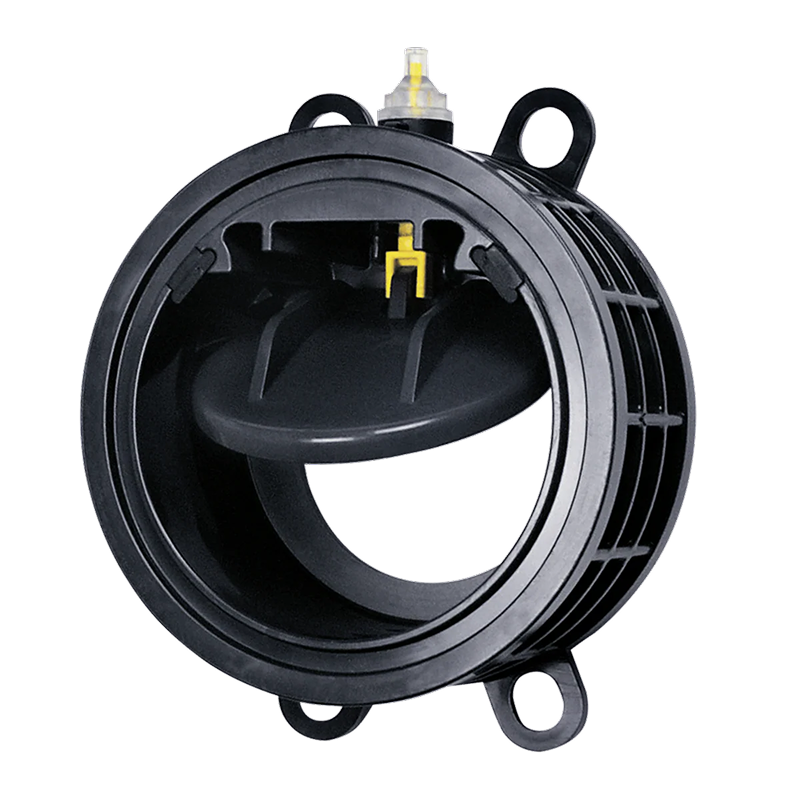
These are valves designed to prevent backflow within chemical piping. The types of check valves you may encounter within the chemical industry are the swinging flap encased within a flanged body, as well as the ball, cone and needle-shaped valves. When the valve is open, the fluid can flow through unobstructed. However, if any reverse flow is detected, it can check the flow and stop it from passing through. It achieves this by closing the valve using the medium’s back pressure, and the aid of a spring mechanism attached to the flap, ball or needle.
This means a fluid or gas can only flow through in one direction, with this unique function making them a popular valve for chemical pumps, compressors and storage tanks. Contamination is a major concern for chemical processing. Check valves help to prevent these issues by blocking any reverse flow that could compromise operations for improved safety.
Diaphragm valves
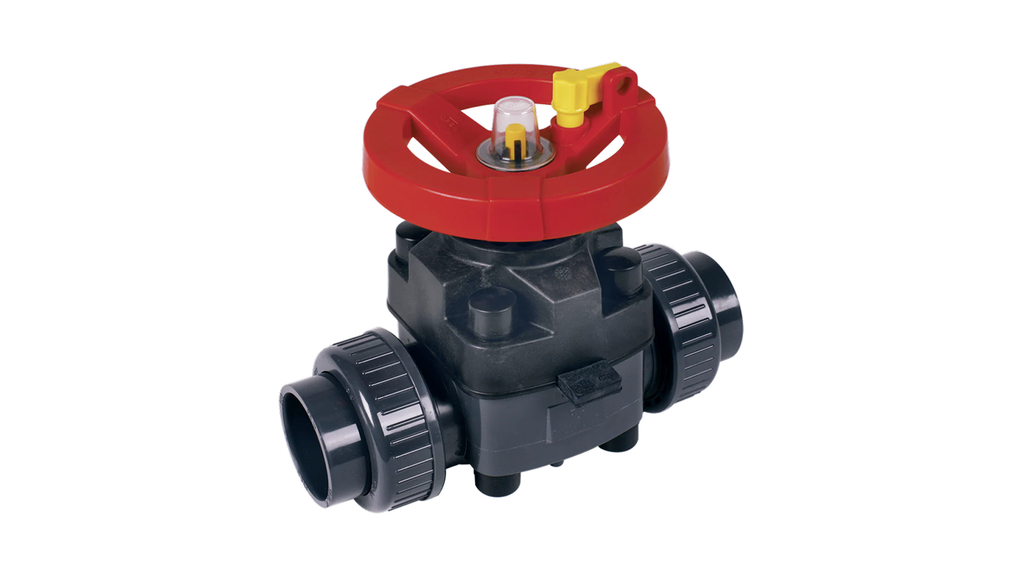
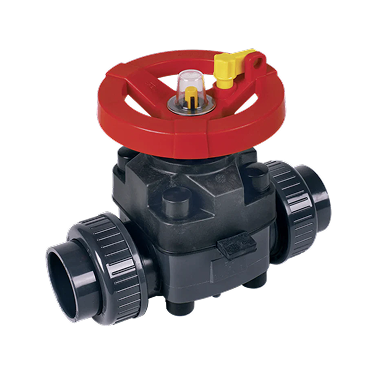
Diaphragm valves incorporate a flexible diaphragm that’s attached to a linear shaft. When the shaft is lowered by the valve stem, the diaphragm seals and cuts off the flow of the medium. They are also designed so that the valve’s operating components are entirely separated from the process fluid.
Due to this design, they are well-suited for handling corrosive and abrasive chemicals because the fluid never comes into contact with the valve body. They are relatively low maintenance, easy to clean, and suitable for applications where contamination must be reduced, such as the pharmaceutical and specialty chemical sites.
Plug Valves
Plug valves are one of the oldest and simplest types of valve used in the chemical industry. They are designed with plugs inside of them, which rotate to change the control flow and let fluids pass through.
They are essential to managing the control of corrosive substances within the chemical industry, with flow control and on/off capabilities. Particularly those that are non-lubricated, which reduces maintenance, and PFA-lined for added protection against aggressive chemicals. Because they shut off completely when closed, plug valves offer superior sealing capabilities to prevent any leaks of potentially corrosive chemicals that could contaminate the surroundings.
How to Choose Valves For the Chemical Industry

With many different valve options available to those in the chemical industry, it can be difficult to understand how to choose the right device. Consider these factors when debating the suitability of specific valves for your application:
Compatibility with chemical
Arguably, the most critical factor, particularly in the chemical industry, is evaluating a valve’s compatibility with the various chemicals of your process. This helps to support steady operations, where system quality is maintained, and any unnecessary repairs and maintenance are reduced.
Material selection will heavily depend on the type of chemical media. For example, stainless steel, particularly grades like 316, is commonly chosen for its broad resistance to a range of different chemicals. However, they may not be resistant to highly corrosive substances such as hydrochloric acid, where rubber-lined and plastic (polypropylene and fluorine plastic) valves are preferred.
This is also important for other industries such as pharmaceuticals, biogas, mining and oil and gas, where valves can come into contact with corrosive or aggressive media.
Performance criteria assessment
Certain operating conditions must be considered, which dictate what valve you choose. Pressure and temperature requirements are both significant factors, because each valve type has unique limits for pressure and temperature.
For high-pressure processes, ball valves are an excellent choice because of their robust design, and they can be engineered with a range of materials for added protection. Because of their thin-disc design, butterfly valves are less suitable for high-pressure systems because of the risk of structural damage and leakage. Certain valves are also better suited to extreme temperatures, such as gate valves with heavy-duty materials.
Valve function
The valve you choose will need to function in a way that is suitable for your system. Valves are used to stop and start flow, control the direction of flow, whether it be in one or multiple directions, and to regulate the flow and pressure within the system. For example, if you’re looking for a rapid on/off function, choose a ball or gate valve. For flow control, choose a globe valve for its precise throttling capabilities. It’s vital to always match the valve’s operation mode to what your process needs. This helps to keep operations safe and efficient, and helps to prolong the lifespan of your equipment.
Valve maintenance and longevity
Maintenance plays an important role in choosing a chemical valve. This is because each valve has its own requirements for repair and care, with some requiring more attention, while others may last longer and save you money long-term. Particularly in the chemical industry, where extra-aggressive media can add extra wear to valve components, durable, low-maintenance valves may be prioritised. For example, due to their simple, robust design with minimal moving parts and no axial movement, ball valves do not wear down as easily, with a simple repair process and long lifespan.
Cost
Certain types of valves will be more expensive than others. Valves with added complexity will usually cost more than valves with a simple design. Basic ball and check valves may cost less than more specialised butterfly or globe valves. Other factors that can affect cost include: type of material used, pressure and temperature requirements, size and actuation. However, you should always choose the right valve and material for the job. Cheaper or lower-quality valves may be beneficial in the short-term; however, they can lead to additional costs due to costly repairs and damage.
The chemical industry can be extremely demanding on valves, often involving highly corrosive materials, high pressures and extreme temperatures. The team at Fluidflo are the experts in all things valves, and are able to provide a specialised solution to your application that delivers both safety and efficiency. As the official Australian distributor of the Praher Plastics range, Fluidflo offers a range of high-quality valve solutions that are ideal for the chemical industry. For more information, please contact the team.