Fast Delivery Australia-wide – Metro and Regional areas

INDUSTRY SOLUTIONS

VALVES

ACTUATORS

Instrumentation

Contact us

Welcome to
Fluidflo Valve Solutions.
How can we help you today?

GET A QUOTECall us +61 3 9290 9813

Industry Solutions

View products

View products

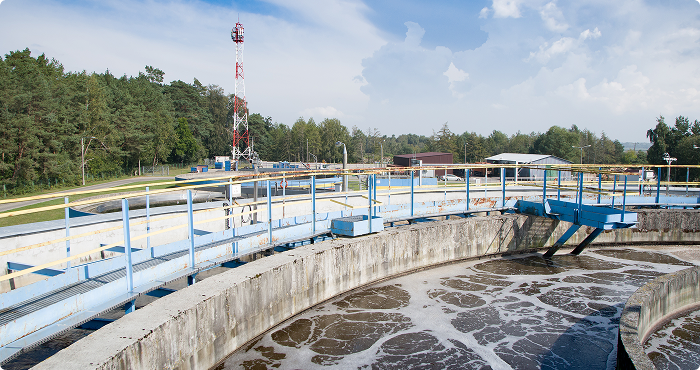
Wastewater Management

Valves and actuators are essential components within wastewater management. They are responsible for controlling the flow of raw and treated water, as well as sewage through treatment and distribution networks. Valves and actuators regulate pressure and direction of flow at each stage of the management process, from the initial intake to disinfection and discharge. These components help different facilities meet the strict environmental and safety standards established by state Environment Protection Authorities (EPAs).
Challenges:

  • Corrosion from chemicals and sewage
  • Handling sludge and abrasive solids
  • Clogging and blockages
  • Maintenance
  • Regulatory compliance

Solutions:

  • Gate valves – Used to isolate pipeline sections during routine maintenance or emergency situations.
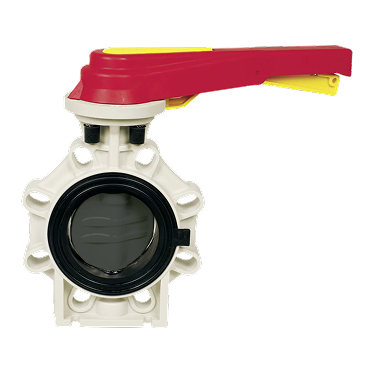
  • Butterfly valves – Commonly used in large-scale wastewater management facilities for their excellent flow control and isolation capabilities.
  • Knife-gate valves – Because they can cut through solids, these valves are Ideal for handling sludge, biomass, and thick slurries.
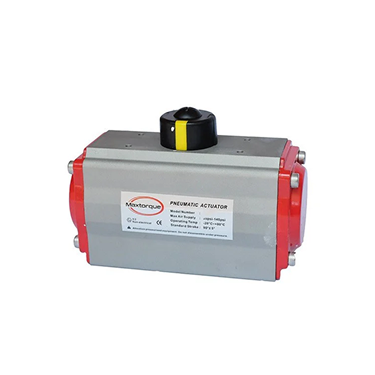
  • Pneumatic actuators – Used to automate valve operation in remote pump stations and treatment plants for quick, reliable response.
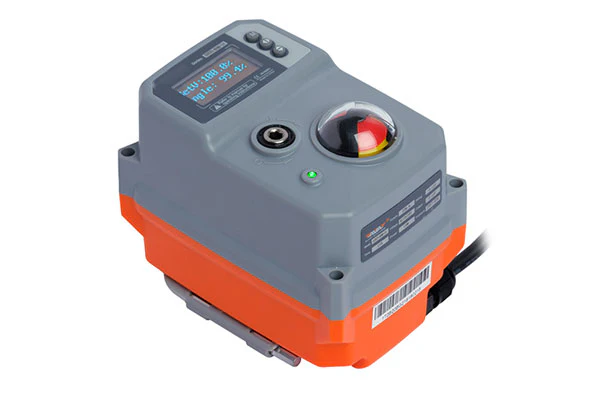
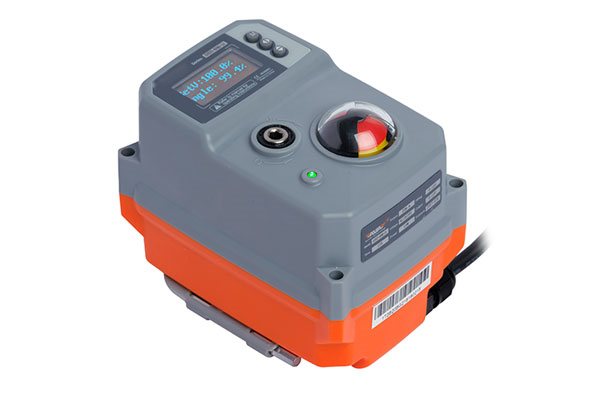
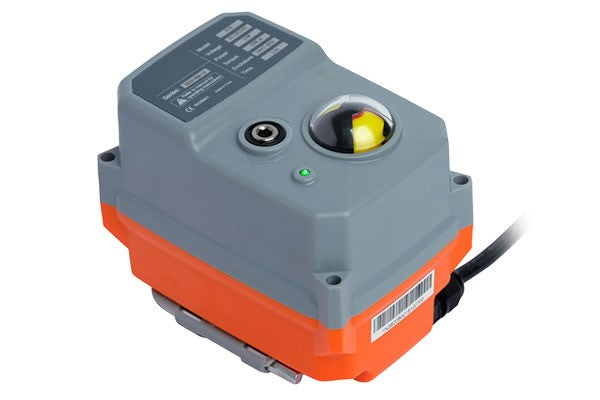
  • Electric actuators – Can achieve the precise, programmable control needed within the wastewater management industry.

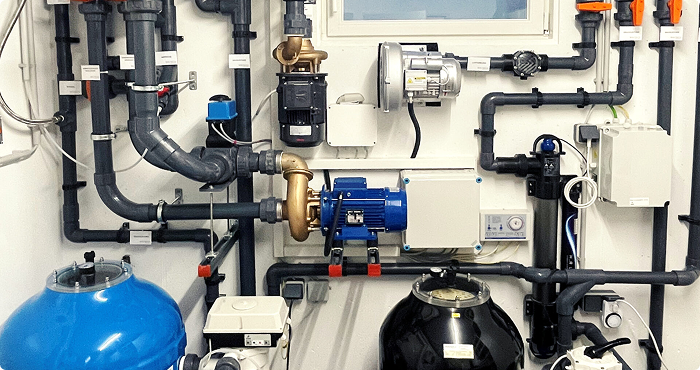
Pool and Spa

Pools and spas rely on durable, chemical resistant valves and actuators to manage water direction for filtration, heating and cleaning. High performance valves and actuators maintain pristine water quality, manage heating and cooling, and automate the flow between a pool and spa. Without valves and actuators, pool and spa systems would face severe operational, maintenance and safety challenges.
Challenges:

  • Corrosion and chemical resistance
  • Flow measurement and control
  • Remote automated operation
  • Maintenance and debris

Solutions:

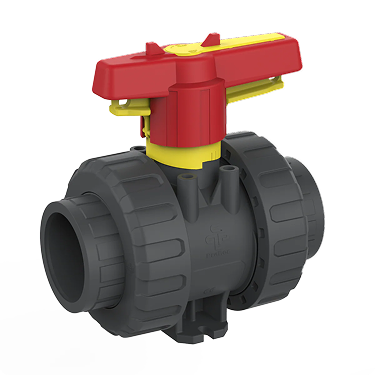
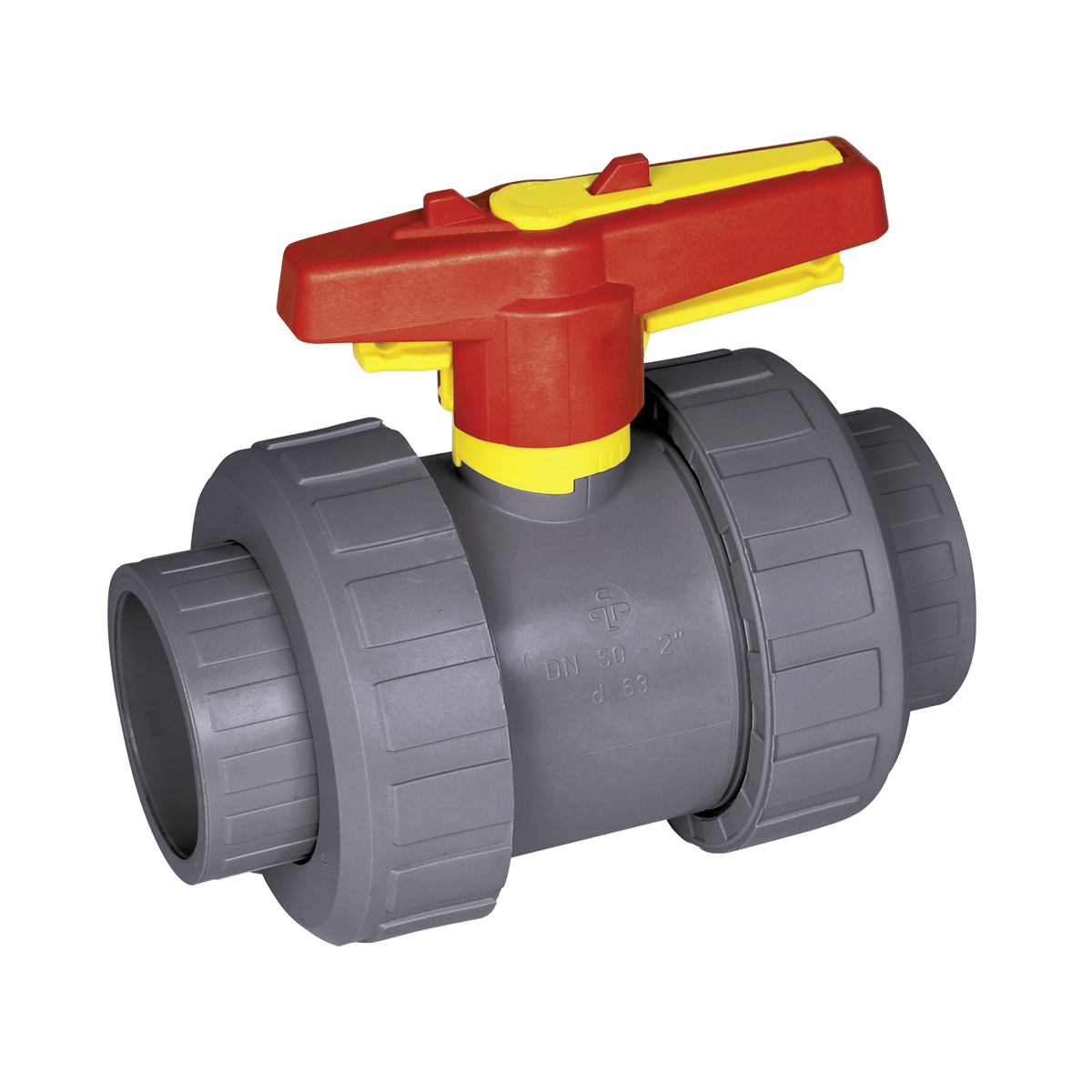
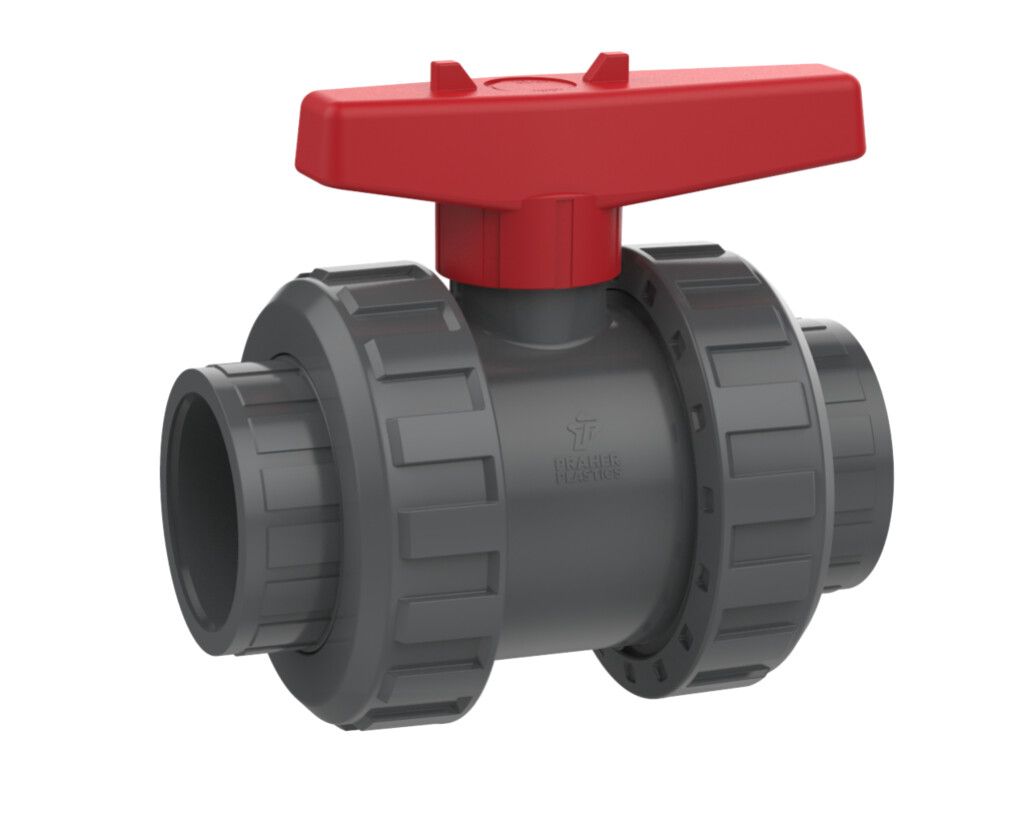
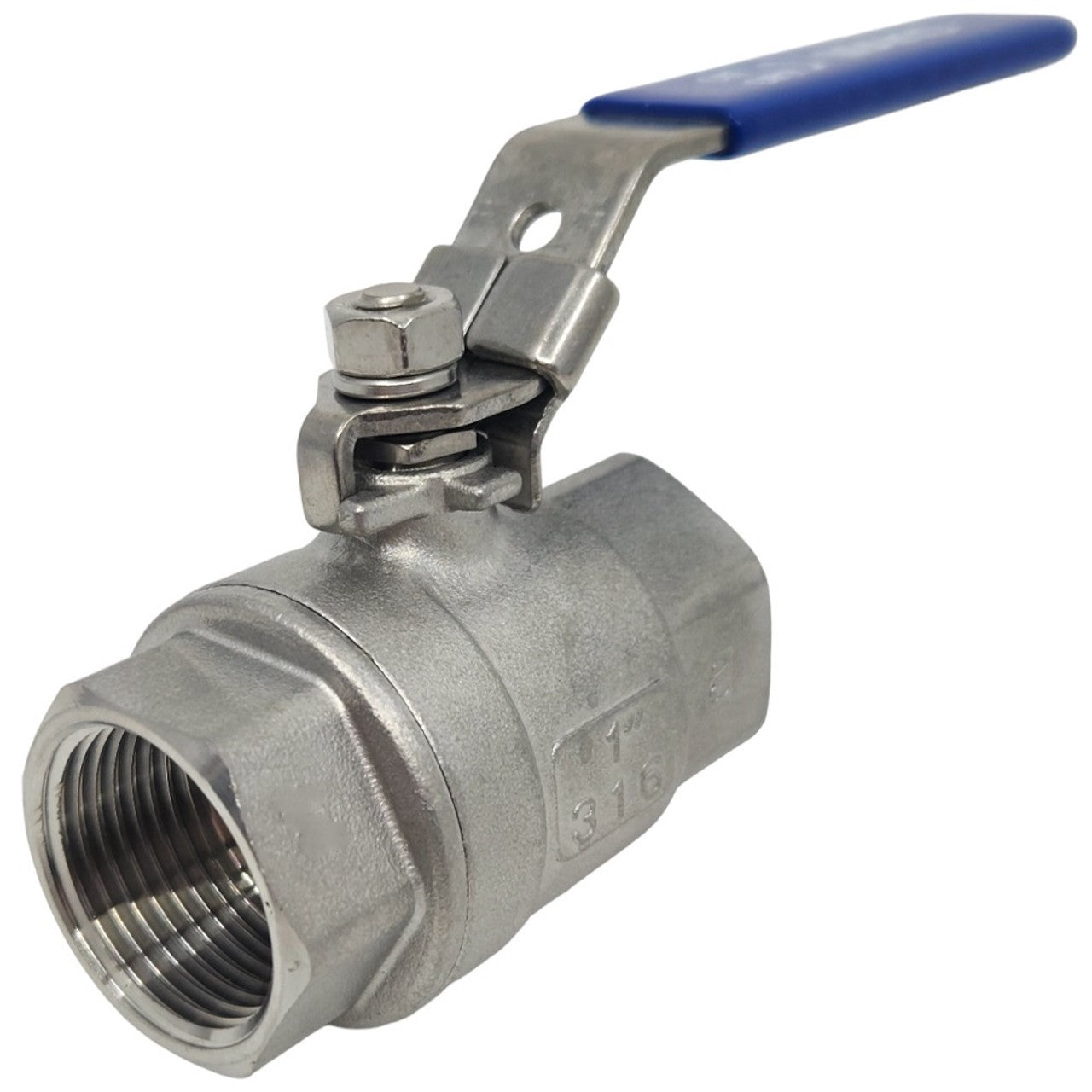
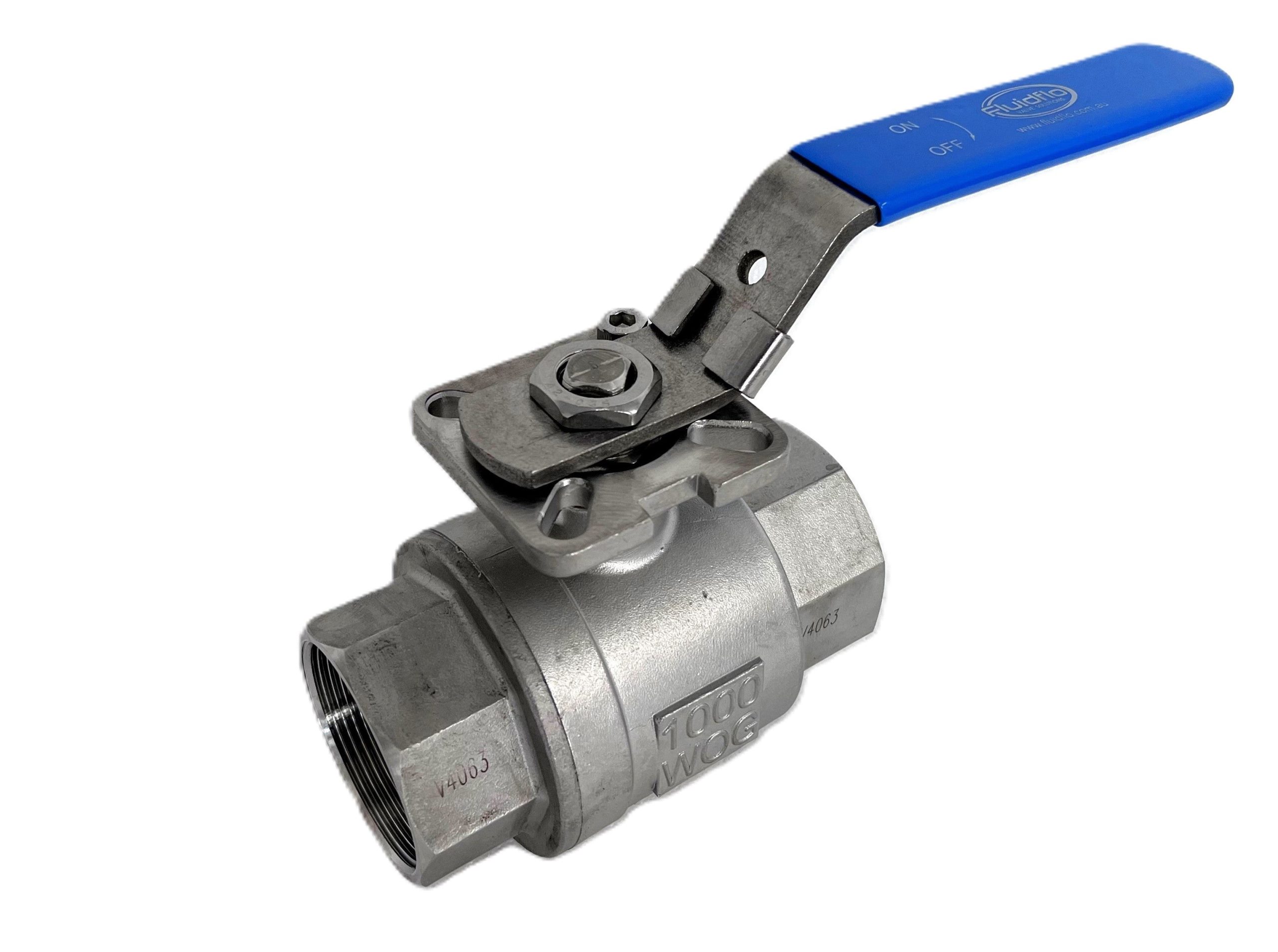
  • Ball valves – Used for quick on/off water flow control within the plumbing system
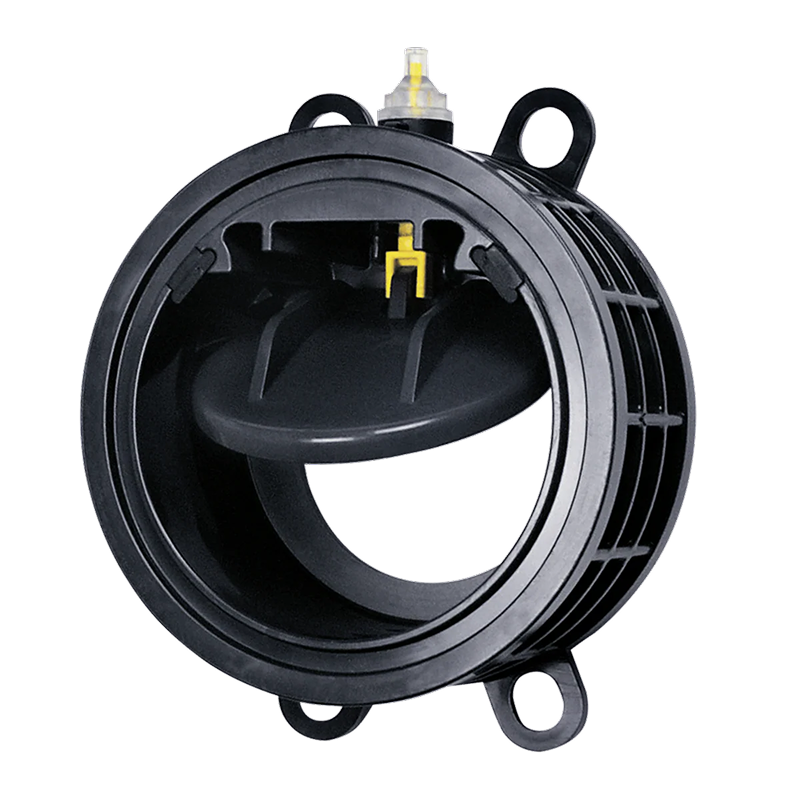
  • Check valves – Allow water to flow in one direction and prevent backflow. Essential for preventing water from flowing back into the spa air blower
  • Diverter valves (2-way & 3-way) – Most common valve used to turn water flow on/off or redirect between different pipes. 3-way valves commonly used for spa systems
  • Multiport valves – Offer multiple settings for cleaning and maintenance
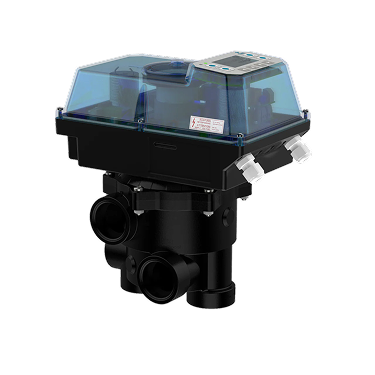
  • Electric valve actuators – Wired into the central control panel to automatically rotate diverter valves to change water flow or switch from pool to spa mode
  • Linear actuators – Used for pool lifts. Convert rotational motor force into linear motions to lift users in an out of the water
  • Pneumatic/hydraulic actuators – Less common. Found in commercial settings for heavy duty valve applications

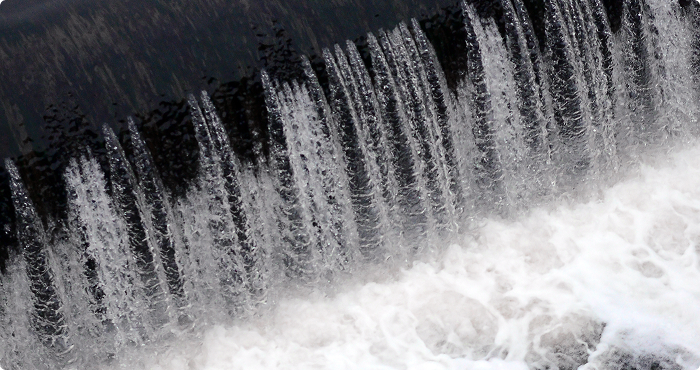
PFAS Remediation

PFAS remediation systems are responsible for treating water contaminated with polyfluoroalkyl substances (PFAS), which are man-made chemicals that pose significant risks to human health and the environment. Valves and actuators are used to handle a range of treatment technologies, such as ion exchange, granular activated carbon (GAC) and advanced oxidation processes. PFAS-affected water and treatment chemicals can be hazardous, with valves and actuators preventing cross-contamination and ensuring compliance with stringent, regulatory standards.
Challenges:

  • Chemical resistance to PFAS compounds
  • Preventing cross-contamination
  • High-pressure system demands
  • Integration with a multi-stage treatment process
  • Regulatory compliance

Solutions:

  • Diaphragm valves – Valued for their corrosion-resistant design and compatibility with aggressive PFAS treatment chemicals.
  • Check valves – Prevent backflow between treatment stages and protect process integrity.
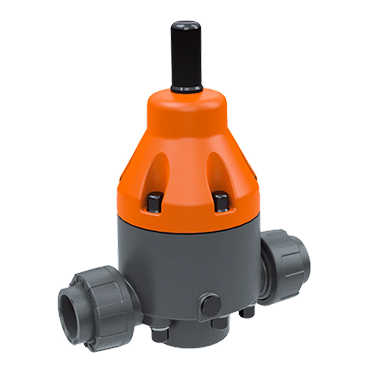
  • Pressure-reducing valves – Essential for protecting high-pressure treatment systems from surge damage, to ensure safe fluid flow.
  • Pneumatic actuators – Used for clean, reliable actuation within environments where electrical hazards must be reduced.
  • Electric actuators – For their precise, automated control and their integration with PFAS treatment monitoring and compliance systems.

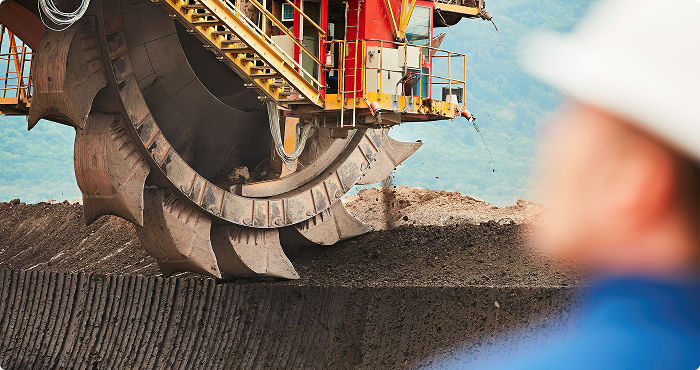
Mining

Valves and actuators are essential components in the mining industry, used for heavy duty flow solutions. Specialised valves and actuators control, isolate and regulate the movement of gases, fluids and slurries in the harsh environment of a mine. They are crucial for maintaining safety, optimising efficiency and incurring compliance in harsh, high pressure environments. Without these specialised valves and actuators, mining operations would face severe downtime and potential environmental disasters.
Challenges:

  • Abrasive slurry erosion
  • Corrosion from chemical exposure
  • Water hammer and pressure surges
  • Actuator reliability
  • Unscheduled downtime

Solutions:

  • Butterfly valves – Used for isolation and control flow
  • Diaphragm valves – For sterile applications and handling viscous fluids in high purity processing
  • Pneumatic actuators – Used for automated, remote and manual operation for quick actuation in on/off control in filling and packaging
  • Ball valves – Ideal for cleaning liquids, water and steam
  • Pressure relief valves – Ensure pressure safety in storage tanks and processing lines
  • Pinch valves – Safely shuts off flow without product contamination
  • Gate valves – Used to stop or start the movement of fluids, withstand pressure and handle abrasive slurries

Oil and Gas

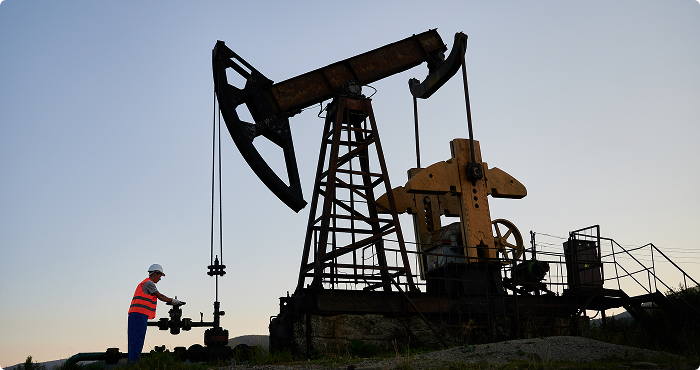
From production and transport to refining operations, valves and actuators play a central role in regulating flow, protecting equipment, and supporting safe system performance. These specialised components manage the flow, pressure and direction of liquids and gases throughout upstream, midstream and downstream operations. Valves act as the mechanism to stop or throttle flow while actuators provide the automated force to operate the valves remotely. Without them it would be impossible to control the flow of oil and gas through complex systems used in the industry.
Challenges:

  • Solid deposition/blockage
  • Liquid loading
  • Multiphase flow management
  • Corrosion and erosion
  • Complex flow regimes
  • Ageing infrastructure management

Solutions:

  • Ball valves – Used for tight, rapid shut off, quarter turn and controlling high pressure liquids and gases
  • Gate valves – Open and closing flow in pipelines, typically used in full open or fully closed positions
  • Globe valves – Ideal for throttling and regulating flow
  • Plug valves – Used for on/off service in harsh and high pressure environments
  • Butterfly valves – Flow modulation in large diameter, high flow, low pressure applications
  • Check valves – Prevents backflow to protect downstream equipment like pumps and compressors
  • Pneumatic actuators – Uses compressed air to operate values in high pressure pipelines and ensure the safe and efficient transport of oil and gas
  • Hydraulic actuators – Using pressurised liquid for high torque applications which are often found in heavy duty valves
  • Electric actuators – Automate the opening and closing of valves, ideal for remote, off grid pipelines
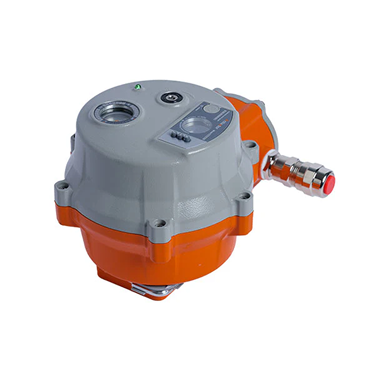
  • Explosion proof actuators – Control machinery, ventilation and systems where methane and other flammable gases are a common byproduct

Biogas

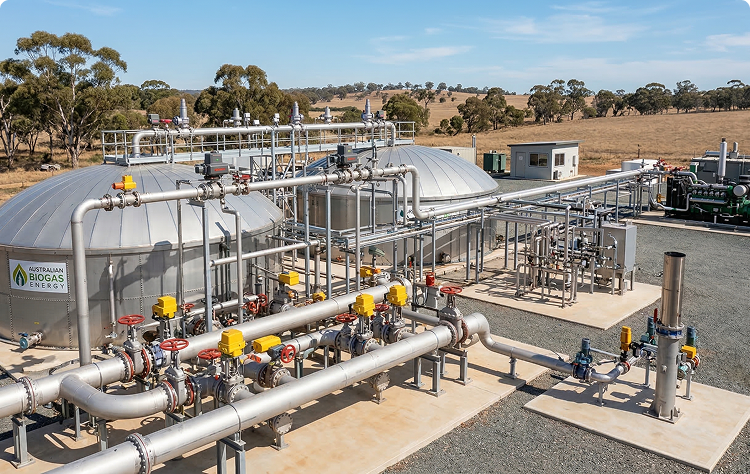
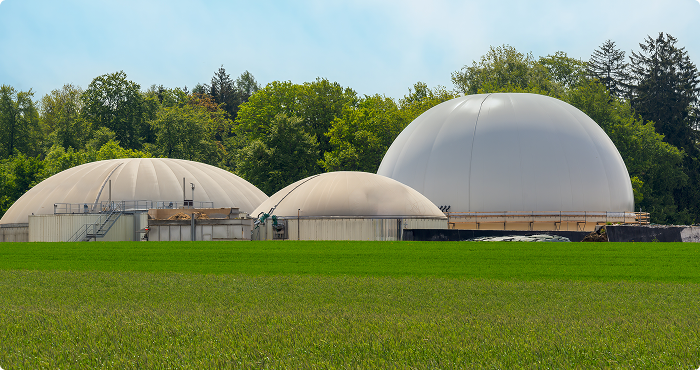
Biogas and green energy plants require valves and actuators to safely manage the flow, pressure and purification of the gas which is often corrosive and contains methane. High quality valves and actuators safely manage the flow, pressure and purification of the gas. They are used across the entire biogas process chain from handling raw organic materials to managing flammable methane gas. Running biogas and green energy without valves and actuators would lead to immediate failure, catastrophic safety hazards and the inability to produce usable green energy.
Challenges:

  • Severe corrosion
  • Abrasive feedstock and clogging
  • Complex liquid handling
  • Contaminants in biogas

Solutions:

  • Knife gate valves – Used in biogas substrate treatment, slurry feeding and digestate management
  • Butterfly valves – Gas regulation and shut off in raw gas pipelines
  • Ball valves – Used for sealing performance and reliability in biogas upgrading and high pressure green hydrogen production
  • Pinch valves – Used for handling corrosive, abrasive or viscous sludge in waste treatment
  • Check valves – Prevents backflow in gas piping systems protects against biogas reverse flow in pipelines
  • Linear actuators – Provide precise control in feeding automation

HVAC

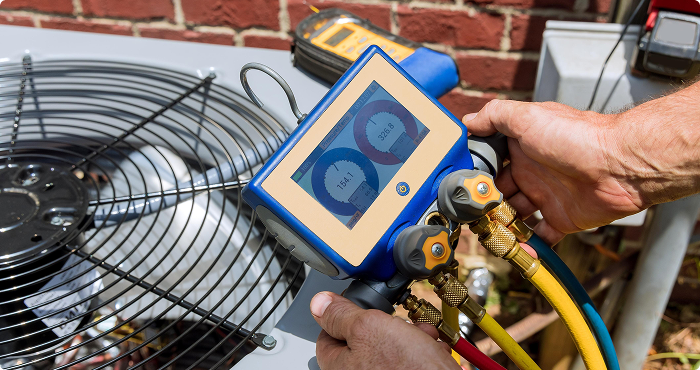
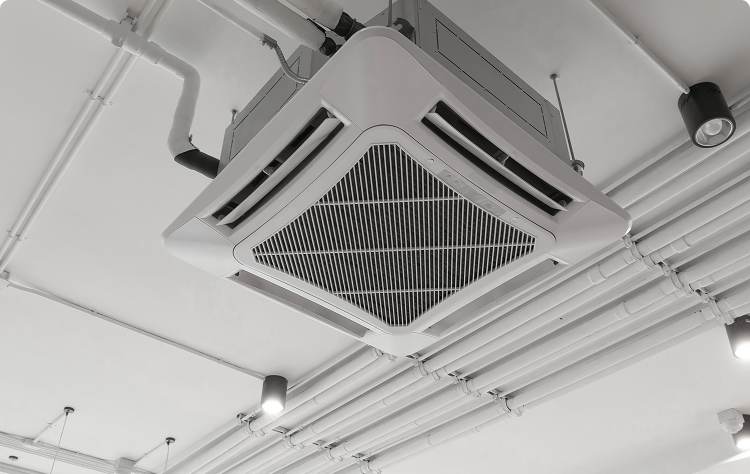
The use of valves and actuators work together to automate the regulation of air, water and steam in HVAC systems. They ensure precise temperature control, energy efficiency and occupant comfort by receiving signals from controllers to mechanically operate the valves. Specialised valves for HVAC ensure heating and cooling systems work efficiently and prevent potential equipment damage.
Challenges:

  • Clogged filters and dirty coils
  • Ductwork mismanagement
  • Return air shortages
  • Excessive static pressure
  • Inconsistent zoning

Solutions:

  • Ball valves – Ideal for on/off or modulating control of heating and cooling
  • Butterfly valves – High capacity control
  • Globe valves – Used for high close off pressure requirements
  • Thermal actuators – Used for controlling underfloor heating and individual radiators

Pharmaceutical

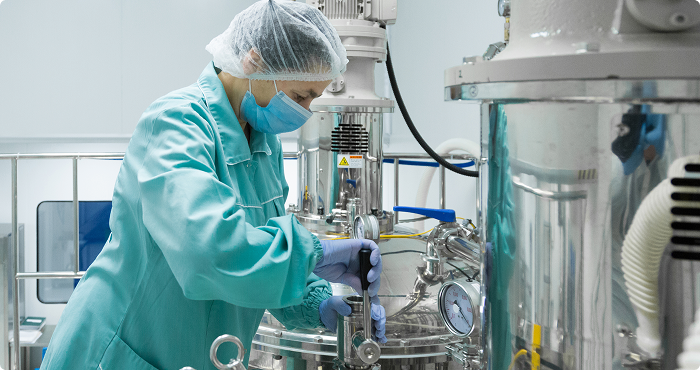
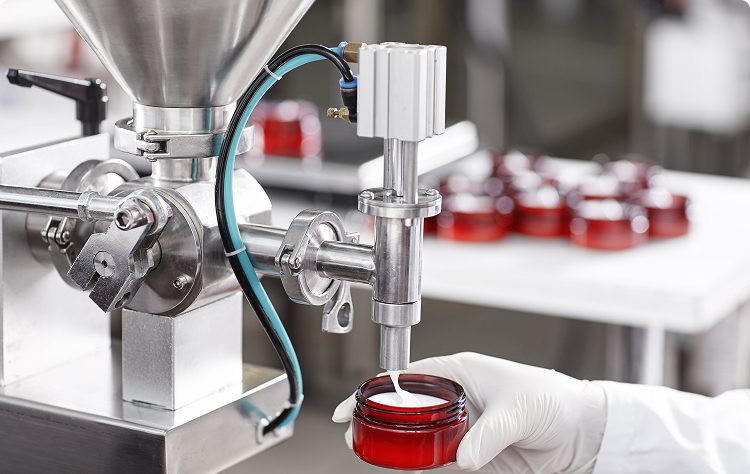
Within the pharmaceutical industry, valves and actuators are critical components for maintaining precise control over ingredients, solvents, purified water and gases. Valves and actuators must help maintain strict hygienic standards to prevent contamination, while supporting any cleaning-in-place (CIP) and sterilisation-in-place (SIP) procedures. These components are essential to the various sectors of the pharmaceutical industry, including drug production, bioprocessing and cleanroom environments.
Challenges:

  • Contamination prevention
  • Precise dosing and flow control
  • Regulatory compliance
  • Cleaning-in-place (CIP) and sterilisation-in-place (SIP) compatibility

Solutions:

  • Diaphragm valves – Commonly used for sterile pharmaceutical applications to fully isolate the process fluid from valve internals.
  • Ball valves – These valves are used for tight, rapid shut off, quarter turn and controlling high pressure liquids and gases.
  • Butterfly valves – Achieves flow control in larger diameter process pipelines and buffer preparation systems.
  • Check valves – Used to prevent backflow that could contaminate products and ensure one-way flow.

Food and Beverage Processing

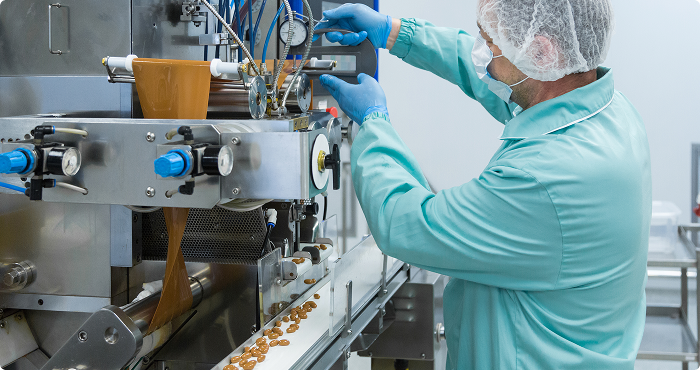
Valves and actuators are vital components in food and beverage processing. They serve as primarily mechanisms for controlling the flow of ingredients, ensuring hygiene and automating production processes. Valves regulate the flow of liquids, gases and slurries through the processing, storage and packaging systems. Actuators pair with the valves to convert control signals into mechanical motion and allow for remote operation. Without valves and actuators, industrial scale food and beverage production would be impossible due to inconsistent quality, high contamination risks, and the inability to maintain necessary standards.
Challenges:

  • Food and contamination risk
  • Operational inefficiency and reduced productivity
  • Reduction in product quality and consistency
  • Increased costs and safety hazards
  • Lack of compliance and traceability

Solutions:

  • Butterfly valves – Best for on/off control in beverage lines and handling large volumes of liquids
  • Ball valves – Ideal for heavy duty shut off in juice transfer lines and smaller pipelines. They offer excellent sealing to prevent cross contamination
  • Diaphragm valves – Used for sterile applications such as pasteurised dairy, baby food or biotechnology. Completely isolated from moving parts to prevent contamination
  • Check valves – Prevent backflow in water or syrup systems. Protects product integrity and prevents cleaning chemicals from accidentally entering production line
  • Pinch valves – Handling of slurries and solids. Moves items like tomato paste, yoghurt or chocolate without crushing them
  • Pneumatic actuators – For high speed packaging, valve control, material handling and safety
  • Electric actuators – Used for precision and cleanliness needed in the food and beverage industry. Precise filling and dispensing used in dairy and baking for accurate proportioning of liquids and solids

Product Filters

Use
Product Type
Function
Brand

Need expert advice?

Whether you're working on a large-scale project or a smaller pilot plant, our specialists can help you select the right products for your needs.

CONTACT US
Showing 12 of 69 products
  • Sort By
  • Load more

    Need expert advice?

    Whether you're working on a large-scale project or a smaller pilot plant, our specialists can help you select the right products for your needs.

    CONTACT US

    Need help finding what you need?
    Our team of solutions experts are here to help.

    Our team of solutions
    experts are here to help.

    CONTACT US

    Need help finding what you need?
    Our team of solutions experts are here to help.

    Our team of
    solutions experts
    are here to help.

    CONTACT US

    View other industry solutions

    Delivery

    The estimated shipping timeframes after dispatch are listed below. Calculations are based on business-days.

    If your item is taking longer than the estimated amount of time, please contact us and we will gladly assist. Alternatively you can track the status of your order anytime using your consignment number.