



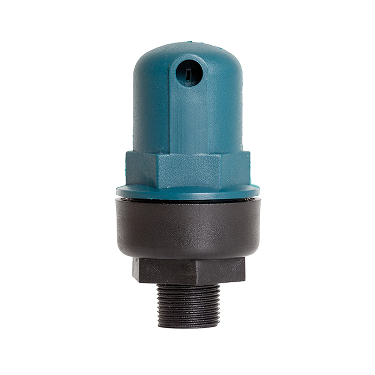
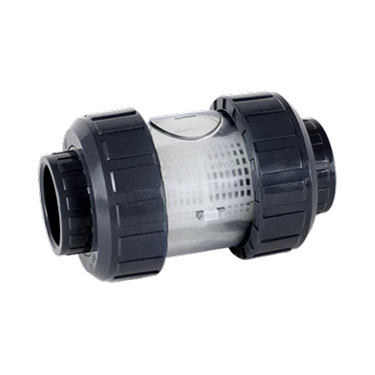
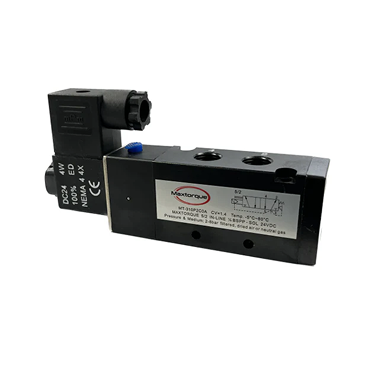
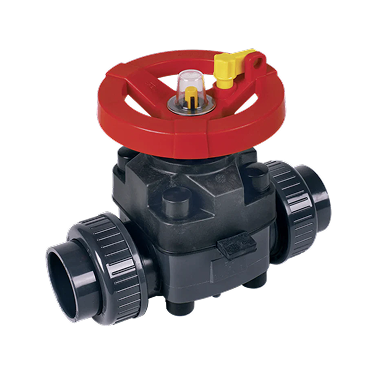
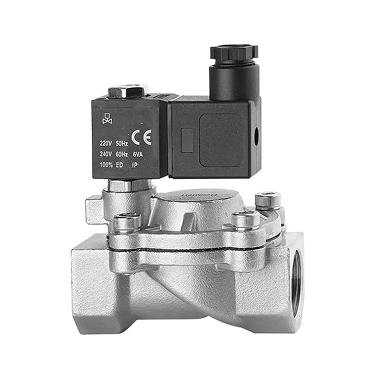
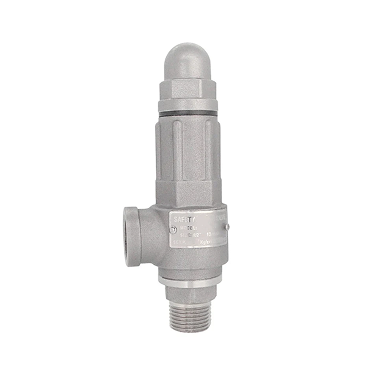

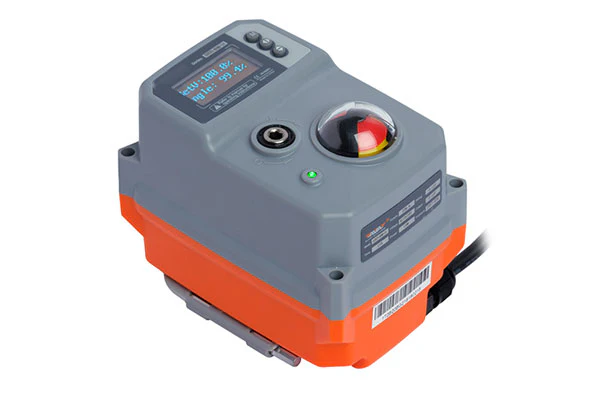
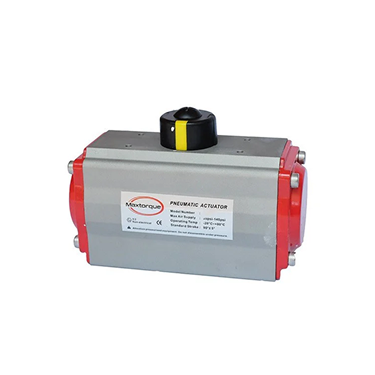
Valves for the mining industry are specialised heavy-duty flow solutions, made for extreme endurance. These specialised valves are designed to operate under severe conditions, including handling abrasive slurries, corrosive chemicals, high-pressure and high-temperature environments. Made from robust materials like hardened stainless steel, ceramic liners or rubber, these valves are designed to operate long term with reduced downtime. There are a number of different types of valves used in the mining industry, including ball, butterfly, gate and pinch valves.
Key Uses for Mining Industry Valves
As critical components of the mining industry, these specialised valves are essential for controlling, isolating and regulating the movement of fluids, gases and slurries. In the harsh environment of a mine, these durable valves maintain efficiency, protect infrastructure and ensure safe operation. The key uses for mining industry valves are:
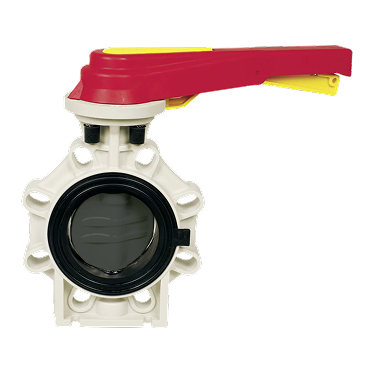
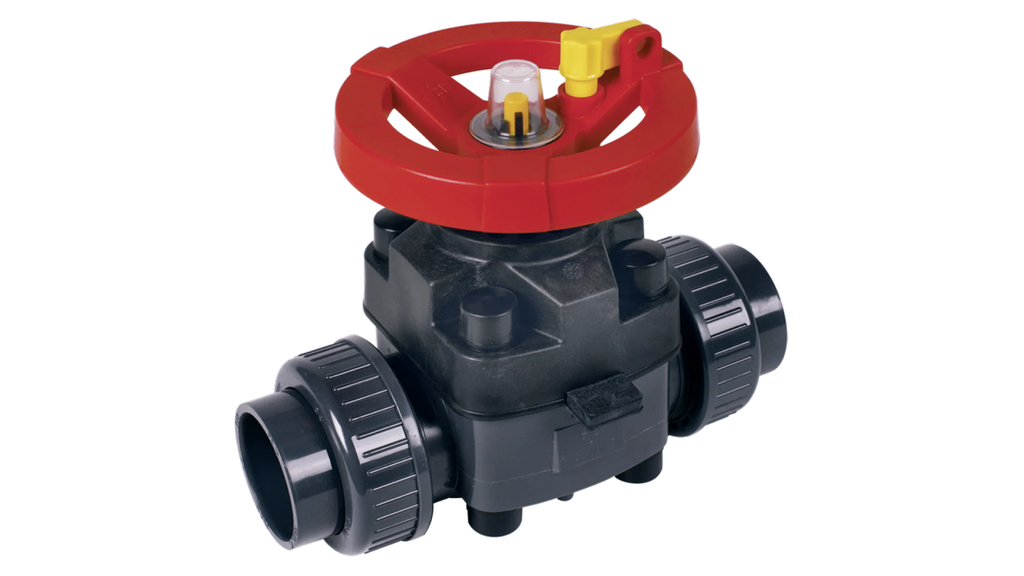
- Slurry transport and processing: One of the most important roles of a mining valve is to control slurry, which is the mixture of finely crushed ore and water. Mining valves regulate the flow rate of slurry through the pipelines and prevent blockages in transport pipes. As slurry is highly abrasive, mining valves such as knife gate or pinch valves are often used to prevent buildup, degradation and pipeline damage. Praher’s diaphragm and butterfly valve lines are designed to provide smooth fluid dynamics, helping to resist wear from abrasive grit and prevent media buildup or clogging.
- Tailings management: Tailings are the waste left over after mineral extraction. These are often transported as slurry and stored in tailings facilities. Mining valves help to control the flow of the tailings to storage areas, and prevent leaks and environmental contamination.
- Mineral separation: The process of mineral separation requires precise control from valves through regulating the feed into floating cells, controlling chemical dosing rates and managing water addition and circulation.
- Dewatering: Dewatering with specialised pumps and valves removes water from mines, quarries and extraction sites. This controls the water supply, ensures water flow is unimpeded, and regulates the recycling and discharge.
- Isolation and safety shutdowns: These are two of the most important functions valves perform in the mining industry. In environments where systems operate under extreme pressure, these valves are the equipment needed to shut down processes and prevent serious accidents.
- Dust suppression: Mining activities like drilling and blasting generate large volumes of airborne dust, which can be hazardous if not controlled. Mining valves play a key role in ensuring dust suppression systems operate effectively by regulating the amount of water delivered to the systems and controlling specific zones independently.
Common Valves for the Mining Industry
Mining operations use a wide range of valves for different applications and conditions. The most common valves used in the mining industry are:
Ball Valves
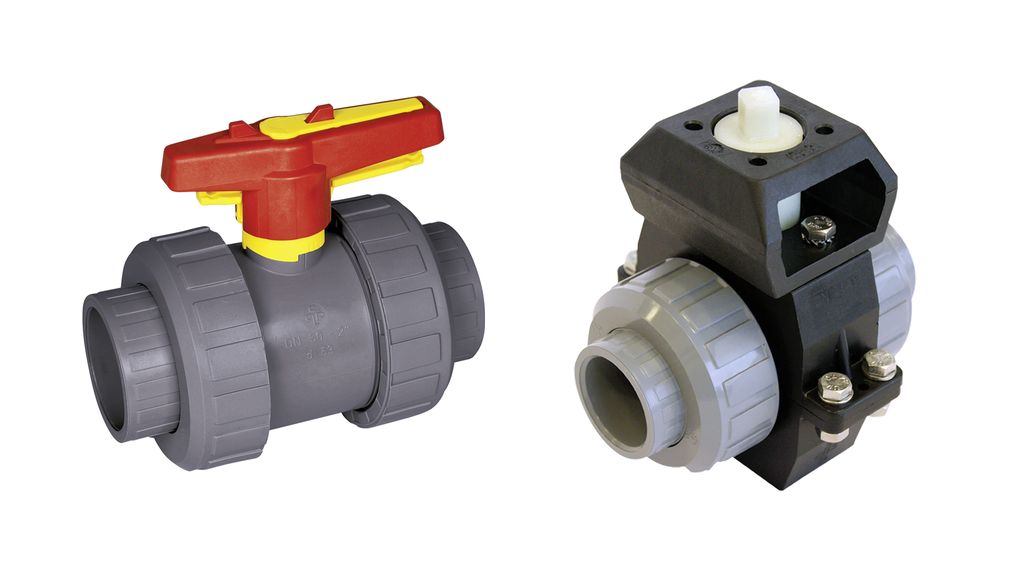
This type of valve features a hollow ball that rotates within the body of the valve to control the flow of fluids and slurries in mining pipelines. Ball valves are crucial for handling abrasive, high-pressure slurry. They are commonly used as a shut-off valve, providing a tight shut-off in processing plants and transportation lines.
How Ball Valves are used in Mining:
- Slurry transport: Ball valves have a hardened, wear-resistant coating that makes them ideal for transporting abrasive ore slurries.
- Flow isolation and control: They are used to quickly start and stop the flow, sometimes using a 3-way configuration.
- High pressure control: They are favoured for providing secure shut-off in demanding environments without high pressure drops.
- Tailings disposal: Ball valves offer reliable sealing in tailings pipelines, managing waste flow.
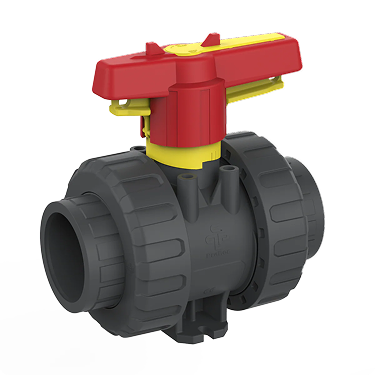
For demanding mining environments, the Praher S4 Series Ball Valves provide a thermoplastic option for enhanced chemical resistance. Their modular construction allows components to be serviced or replaced without having to remove the valve from the pipeline, helping to simplify maintenance and minimise downtime.
Butterfly Valves
Butterfly valves are quarter-turn, rotational motion valves used to regulate the flow of liquids, gases and slurries in pipelines. They have a thin circular disc, known as the butterfly, that rotates 90 degrees to block or allow flow. Butterfly valves are used in the mining industry for their ability to handle large volumes of water and abrasive slurries.
How Butterfly Valves are used in Mining:
- Slurry handling and transport: Due to their robust design and large flow capacity, butterfly valves with rubber linings or abrasive-resistant alloys are used for transporting light-to-moderate slurries, fine pulps, or tailings lines and pulp in mineral processing.
- Water management: They are common in dewatering systems to manage fluid movement, using stainless steel or specialised metal-seated valves to handle corrosion from mining.
- Processing isolation: Butterfly valves are used as isolation valves on water lines. This can be anything from dust suppression systems to bulk liquid storage. These features make them highly effective for the reliable isolation necessary to maintain and manage fluids safely in industries like mining and water management.
- Dry bulk handling: Specialised butterfly valves are installed under hoppers, bins, and silos to control the discharge of dry powders or granular material, such as cement or granular solids.
Check Valves
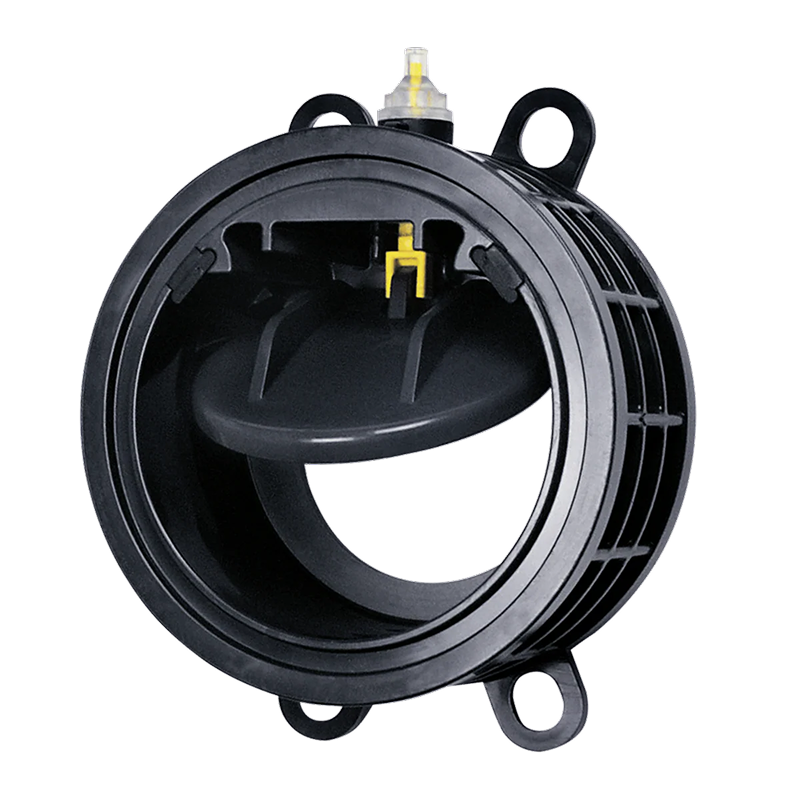
Check valves are critical in the mining industry for managing fluid, gas and slurry flow. They ensure one-way movement to prevent backflow and dangerous water hammer. Check valves are automatic, non-return or one-way valves that protect pumps from reverse flow damage and ensure safety and efficiency in processing and dewatering operations.
How are Check Valves used in Mining:
- Pump protection: Check valves are installed at pump discharge points to prevent reverse flow and protect pumps from damage during shutdown or power failure.
- Slurry transportation: They help with slurry transportation and they prevent the backflow of abrasive slurry, which could lead to blockage or system damage.
- Mine dewatering: These valves manage the removal of water from underground mining sites or quarries.
- Prevents water hammer: Check valves mitigate the risk of catastrophic pipe ruptures.
Gate Valves
A gate valve is a type of linear motion valve designed to start or stop the movement of fluids, using a wedge-shaped gate that moves up and down to control the flow. These valves operate in a fully open or fully closed position, which provides minimum pressure loss when open. In mining, gate valves are used for managing harsh environments and feature robust materials to withstand high pressure and abrasive slurries.
How are Gate Valves Used in Mining:
- Slurry handling: Gate valves, particularly knife gate valves, specifically cut through thick, suspended solids like mixtures of water, rock and ore. They utilise a sharpened, rigid blade that shears through media, rather than compressing it, making them ideal for the mining industry.
- Isolation in processing: These valves serve as isolation devices in mining, allowing for the isolation of specific equipment like pumps and filters without shutting down the entire system.
- Dust control: Gate valves regulate the water used for suppressing dust, contributing to a safer, more compliant mining environment.
- Mining dewatering: These valves are employed in pump discharge lines and for water management, removing the dirty water from underground mines.
Pressure Relief Valves
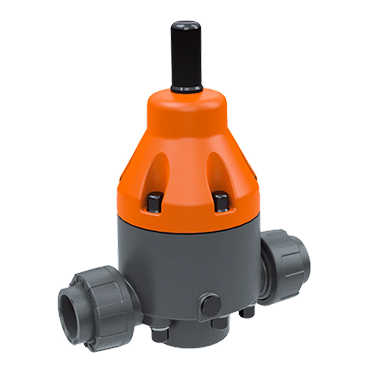
A pressure relief valve is a device designed to protect pressurised systems from overpressure conditions. It is a final safeguard that protects people, equipment and pipelines from ruptures, explosions or equipment damage. In the mining industry, where pumps, slurry pipelines and processing systems all operate under high pressure, these valves are essential for preventing accidents and downtime.
How are Pressure Relief Valves Used in Mining:
- Slurry and tailings transport: These valves are designed to be installed on slurry pumps and long-distance pipelines to manage pressure surges and prevent blockages.
- Dewatering systems: Pressure relief valves prevent pressure surges and maintain consistent operation for dewatering systems in a mining operation.
- Hydraulics circuit protection: They are essential on heavy mobile equipment such as excavators that are used in mines. They work to protect the hydraulic pumps and motors from excessive pressure.
- Ventilation: Pressure relief valves are employed to control pressure in underground air handling systems in mining.
Pinch Valves
A pinch valve uses a flexible, elastomer sleeve that is compressed or pinched to stop or throttle flow. It is used in the mining industry to manage highly abrasive and corrosive slurries such as ore waste, tailings or minerals. A pinch valve works by using mechanical force or air pressure to compress a flexible, reinforced rubber sleeve that is similar to squeezing a tube.
How are Pinch Valves Used in Mining:
- Abrasive slurry management: Pinch valves are highly resistant to heavy slurries and ore waste because of their flexible sleeves. These are often made of polyurethane or gum rubber to withstand abrasive grit.
- Tailings and waste disposal: These valves are used for managing tailings reclamation and disposal pipelines.
- Chemical management: Pinch valves are suitable for handling abrasive or corrosive chemicals used in the mining industry such as cyanide, xanthates, sulfuric acid, and caustic materials like lime and lithium.
Globe Valves
These valves have a globe-shaped design with a plug that moves up and down to regulate the flow. This design allows for start and stop functions, with the flow stopping when the plug is down and continuing when it’s raised. In the mining industry, globe valves are used for their durability and excellent throttling capabilities in high-pressure and demanding environments.
How are Globe Valves Used in Mining:
- Water regulation and throttling: In mining, they are essential for regulating fresh water supply and managing wastewater from mine sites.
- Chemical dosing: In mineral processing, globe valves control the injection of corrosive or hazardous chemicals used to separate metals from ore.
- Cooling systems: Globe valves help to manage the flow of cooling water for large machinery used on mining sites and in underground ventilation systems.
Materials used in Making Valves for Mining
Material selection for valves in the mining industry is critical for ensuring durability, performance and safety. Valves in the mining industry must withstand the harshest operating conditions, from abrasive slurries to corrosive chemicals and high pressure, so material selection is critical. The materials used in making valves for mining are:
Base materials
These materials form the primary structure of the valve, including the body, bonnet and major components. They provide strength, pressure resistance, and overall durability. The main base materials are:
- Cast steel: This is widely used for large diameter valves as it is cost-effective, suitable for complex shapes, and has the ability to handle high pressures. It is common for water lines, dewatering and general isolation.
- Forged steel: Known for its superior strength and high density, forged steel is preferred for high-pressure and high-temperature applications. It has superior sealing and is often used in hazardous environments like mining.
- Stainless steel: Stainless steel has exceptional resistance to corrosion from acidic and chemical-rich slurries often found in mineral processing.
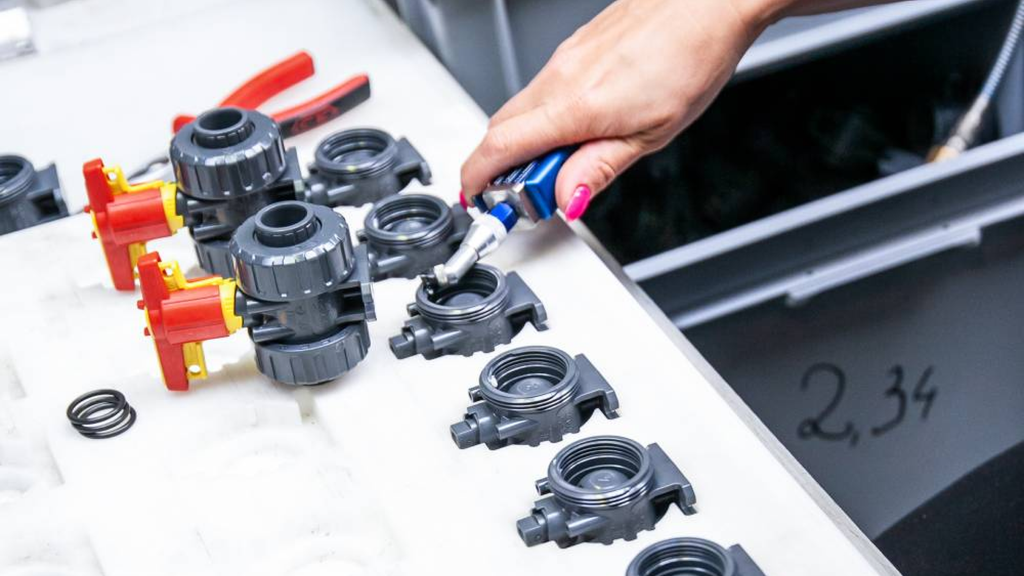
- Thermoplastics: Praher Plastics valves excel in mining applications because they are highly resistant to chemical corrosion and are highly resistant to abrasive slurries. Unlike traditional metal valves, which can rust, scale and seize when exposed to harsh mining chemicals, these high-grade thermoplastic valves are engineered from advanced polymers—such as PVC-U, PVC-C, PP-H, and PVDF. These offer excellent chemical resistance for demanding mineral processing environments. Weighing a fraction of their stainless steel or cast-iron counterparts, these valves drastically lower structural load-bearing requirements on pipe racks.
Specialised materials
These materials are used for internal components like the disc, seat and stem or in extreme environments to combat wear and corrosion.
- Super duplex stainless steel: This is a half and half mixture of austenitic and ferritic stainless steel used for handling extremely corrosive slurries. Super duplex stainless steel offers double the strength of regular stainless steel and superior pitting resistance.
- High chrome alloys: Often referred to as chrome iron, this alloy contains a high percentage of chromium, which offers exceptional resistance to erosion and abrasion in slurry services.
Internal protection materials
These are the linings applied to the interior of the valve body to protect the base metal from wear and tear.
- Rubber lining: Rubber is flexible and absorbs shock, which makes it ideal for tailings and mineral processing. Unlike rigid alternatives, specialised rubber linings can flex and resist wear from continuous, fine particle erosion, significantly extending equipment lifespan in harsh mining environments.
- Ceramic-lined: In specialised mining valves, ceramic-lined valve bodies feature an internal coating of structural ceramics, mostly alumina or zirconia. They are applied to the inner surfaces to protect the metal base from severe wear, abrasion or corrosion from harsh environments.
What to Consider when Choosing a Valve for Mining
Choosing the right valve for mining is critical to ensuring safety, mining plant efficiency and minimising downtime. Mining environments involve highly abrasive slurries, corrosive chemicals and high-pressure pipelines. The selection process when choosing a valve should focus on factors such as media type, conditions for use and valve operation.
- Media type: The most important factor to consider is what is flowing through the valve. Consider if it is going to be slurry, clean water, chemicals, oil or gas. Slurry will require abrasion-resistant valves like a gate valve or pinch valve. Chemicals require corrosion-resistant materials like stainless steel, while clean water will suffice with simpler valves.
- Valve operation: Different applications require different valve behaviours. The way the valve needs to operate impacts the type of valve to choose. For isolation, consider a gate or ball valve. Check valves will be best for backflow prevention, while globe control valves are ideal for optimum flow control.
- Actuation technique: In many mining applications, pneumatic, hydraulic or electric actuators are required for automation. Choosing the right valve can sometimes depend on the actuation technique required.
- Maintenance requirements: Choose designs that allow for easy replacement of components such as rubber liners or sleeves without shutting down the system. Choose designs such as three-piece ball valves or pinch valves that allow for maintenance to be performed without disconnection from the pipeline. This will reduce repair time and avoid disrupting the working pipeline. Praher Plastics valves feature a zero-tool maintenance approach, using modular radial construction with union nuts. This allows technicians to service the valve, change seals or swap out parts by hand, without specialised tools or pipe cutting.
Valves in the mining industry are indispensable, managing slurries, corrosive materials and high pressures. Mining valves manage crucial flow rates in mineral extraction and tailings transport, often operating under extreme abrasion and high-pressure conditions. There is a wide range of valve types, from gate and pinch valves to ball and butterfly valves. Each plays a specific role in handling the demanding conditions of the mining industry. For further help choosing the right type of valve, contact the expert at Fluidflo Valve Solutions.