



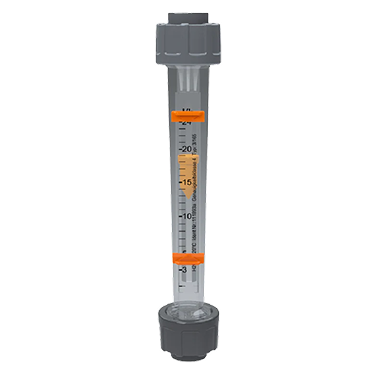
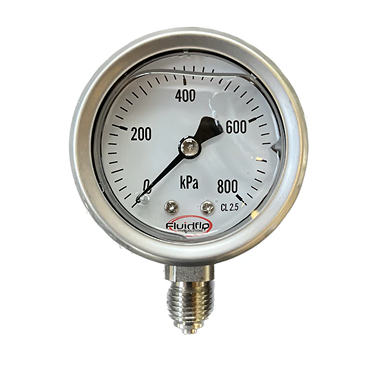
A flow meter is an instrument used to measure the flow rate, volume or mass of a liquid or gas passing through a pipe or conduit. They are vital for monitoring, measuring and recording the flow rate, volume or mass of a fluid. These instruments are used across a wide variety of industries, from agriculture to the oil and gas sector and wastewater treatment. By delivering accurate measurements of the volume or mass of a fluid, flow meters help to ensure a safe and reliable operation.
How Does a Flow Meter Work?
All flow meters operate on the same fundamental concept: to measure the flow of a liquid. They do this by measuring changes in the movement or properties of a liquid as it passes through the meter, with the exact method depending on the type of flow meter you are using.
Flow meters can use a variety of technologies to measure the flow, including mechanical gears, differential pressure and electromagnetic technology. While these technologies operate differently, all flow meters will have a primary sensing element that measures flow and a secondary element that converts the measurement into an output signal.
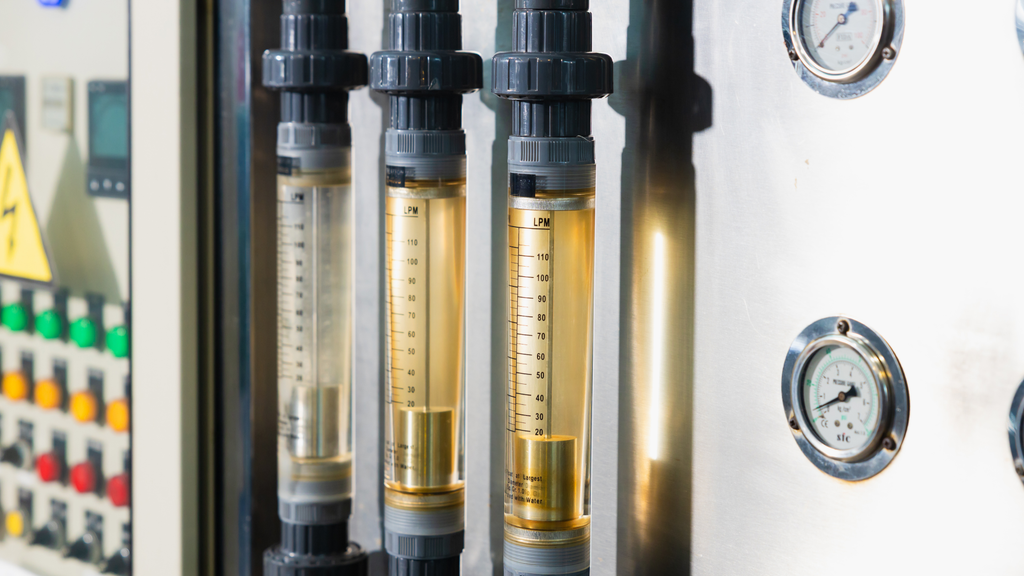
Flow Meter Types
There are a wide range of flow meter types available on the market for different applications. These include the following:
Differential pressure flow meters
These meters measure the flow of a liquid within a pipe by introducing a constriction that creates a pressure drop. They typically utilise an orifice plate or flow nozzle to create this constriction, with pressure sensors measuring the pressure difference before and after. Flow rate is then calculated using Bernoulli’s equation, with a higher pressure drop indicating a higher flow rate. Differential pressure flow meters are widely used for their simplicity and cost-effectiveness, suitable for applications that involve filters, heat exchangers and backflow preventers.
Electromagnetic
Electromagnetic flow meters, also known as magmeters, operate under the principle of Faraday’s law. When a conductive fluid flows through a magnetic field, a voltage is induced that is directly proportional to the velocity of the fluid. Therefore, as a conductive fluid passes through the magnetic field, a voltage is induced that can be measured to determine flow velocity.
Because they have no moving parts, magmeters are relatively low maintenance, making them perfect for applications involving wastewater or dirty liquids. They are commonly used within the water treatment and chemical processing industries.
Turbine
Turbine flow meters measure flow by detecting the rotation of a rotor or propeller that’s placed in the path of a liquid. As the liquid flows through, it causes the rotor or propeller to spin, with the rotational speed directly proportional to the velocity of the fluid. The rotational speed is measured by the turbine flow meter using a magnetic pickup or optical sensor.
A turbine flow meter can operate with high accuracy and repeatedly, and is commonly used in water treatment plants. However, the mechanical parts of a turbine flow meter can experience wear and tear over time, with a higher degree of maintenance.
Ultrasonic
An ultrasonic flow meter uses sound waves to measure a fluid’s velocity. It can achieve this in two ways: using either Doppler or transit time. Doppler flow meters measure the difference in sound wave frequency reflected off particles or bubbles in the fluid. Transit time flow meters measure the time it takes for sound waves to travel upstream and downstream.
Ultrasonic flow meters are non-intrusive and can be installed onto a pipe without interrupting flow. They also have a small number of mechanical parts, making them a lower-maintenance option. However, their accuracy can be affected by fluid contaminants, such as dirt or air bubbles.
Vortex
Vortex flow meters can measure the flow of liquids, gases and vapours by utilising a principle called the von Karman effect. This is where a rigid, bluff body is placed in the flow path to create vortices of differential pressure, called vortex shedding. The frequency of the vortex shedding is directly proportional to the velocity, with small sensors measuring the resulting pressure fluctuations to calculate the flow rate.
Vortex flow meters are commonly used for their low sensitivity to variations in process conditions and low maintenance. They are susceptible to vibrations, which can affect the measurement accuracy.
Coriolis flow meters
Coriolis flow meters operate based on the Coriolis effect. This is where the inertia created by a fluid flowing through an oscillating tube causes the tube to twist, with the degree to which the tube twists directly proportional to the mass flow rate. Coriolis flow meters are popular for their excellent accuracy and versatility in measuring both mass flow and density.
Positive displacement flow meters
A positive displacement flow meter measures liquid or gas by trapping a fixed volume of fluid in a chamber and counting the number of times the chamber is filled and emptied. Types of positive displacement flow meters include oscillating pistons, nutating discs, and oval gears.
They are highly regarded for their accuracy, especially for measuring viscous liquids such as oil. However, they can be expensive and have a lot of moving parts, which increases the maintenance requirements.
How to Select the Best Flow Meter for Your Application
With a wide range of flow meters available, you will need to find the right device for your particular application. Consider the following factors when evaluating your flow meter options:
Fluid type
You’ll need to consider the characteristics of the fluid your flow meter is measuring. This is important because different flow meters are suitable for different fluid properties, such as their viscosity, density, conductivity and corrosiveness. For example, fluids with a solid density can damage flow meters with mechanical parts, such as a turbine or positive displacement meter. Electromagnetic flow meters may be more appropriate, as they have no moving parts to cause damage.
Flow rate
The chosen flow meter must be compatible with the minimum and maximum flow rates that will be measured. Check the turndown ratio of your flow meter to ensure it can accurately measure the full range of flow rates required. For example, an ultrasonic flow meter is perfect for applications with variable flow rates, due to its high turndown ratio, typically ranging from 100:1 to over 400:1.
Inlet and outlet pressure
An essential factor when choosing a flow meter is understanding whether you need a low pressure drop or not. This refers to the difference between the inlet (P1) and outlet pressures (P2). You will also need to determine the maximum operating pressure of your application, and ensure your meter is rated to be able to withstand these pressures. For example, in high-pressure applications, differential pressure flow meters are commonly used due to their robust design and lack of moving parts.
Ambient temperature
The temperature of your fluid and the broader environment are important factors to consider. Because temperature can directly influence the density and volume of fluids and gases, you should consider any variations in temperature and how this will affect the accuracy of your flow meter measurements. In these instances, consider prioritising flow meters that are designed with built-in temperature sensors that can automatically adjust readings to compensate. You will also need to ensure the flow meter can handle all the temperature conditions of your application, which can be done by checking the specifications provided by the manufacturer.
Location of flow meter
Flow meters will have different requirements for where they can be installed. For example, some meters, such as a vortex flow meter, require a straight run of pipe before and after to ensure accurate measurement, while others can be installed with greater flexibility.
When considering the location of a flow meter, you should also double-check whether it has the specific certificates or approvals for the area in which it is being installed. For example, for hazardous areas, an ATEX or IECEx certification will be required.
Accuracy
Certain applications will have different accuracy requirements that will affect your choice of flow meter. For example, chemical dosing requires highly accurate readings. For these systems, Coriolis or Ultrasonic meters are preferred for their exceptional accuracy levels.
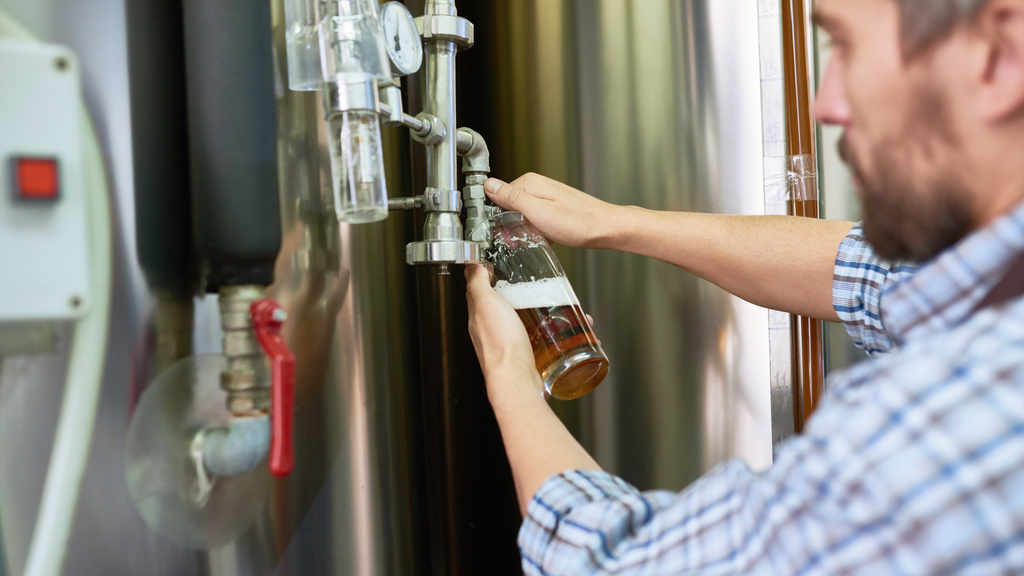
What Industries Use Flow Meters?
Flow meters are essential components in a wide range of commercial and industrial settings. These major industries include the following:
Oil and Gas
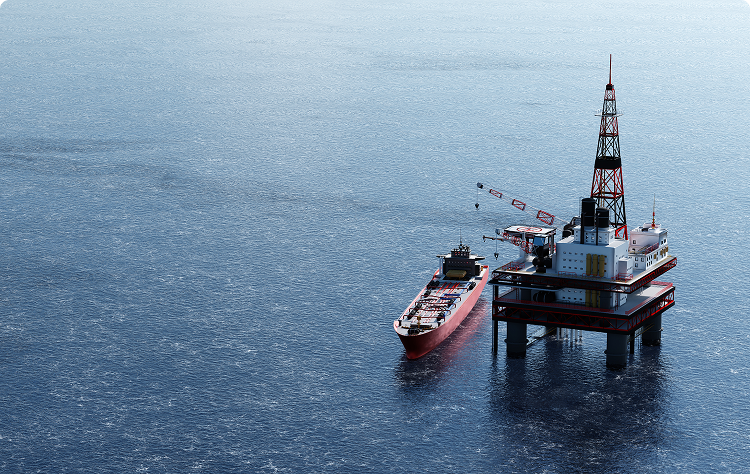
Oil and gas manufacturing requires precise flow meters to track the volume and flow rates of various hydrocarbons, gases, and other petroleum products. This helps to manage production levels and ensure adequate energy is supplied across large networks with long distances.
Wastewater and water utilities
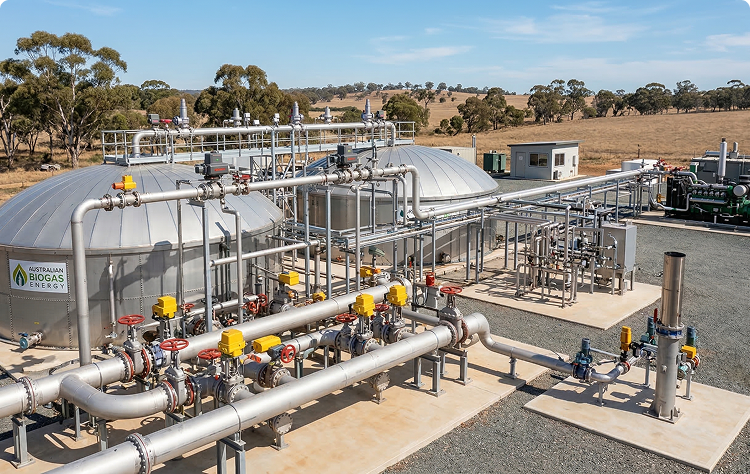
Flow meters are also essential for various environmental applications, such as wastewater and water utilities. They help to manage the flow of sewage and wastewater types through treatment plants, from intake to distribution. They help to prevent clogs and ensure all systems are compliant with environmental regulations. Water utilities also need flow meters to provide accurate flow measurements of drinking water to ensure the correct amounts reach different sectors across a city.
Food and beverage
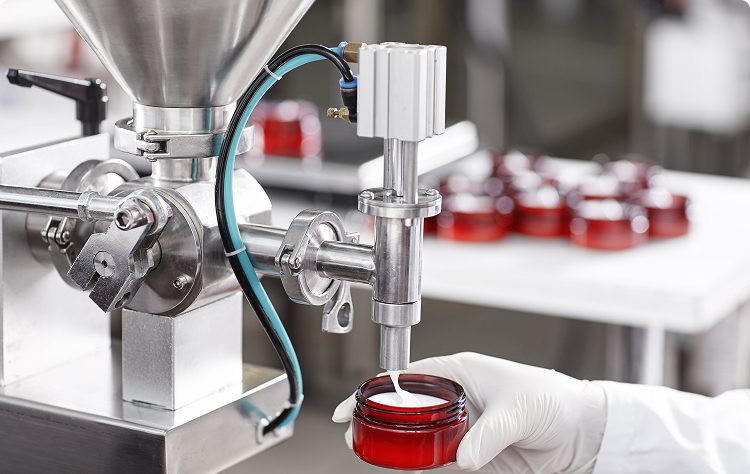
Within the food and beverage sector, flow meters are integral to tracking the flow of different ingredients, such as water, milk, juices and syrups. This ensures the correct portions and mixing levels are achieved.
Agriculture and irrigation
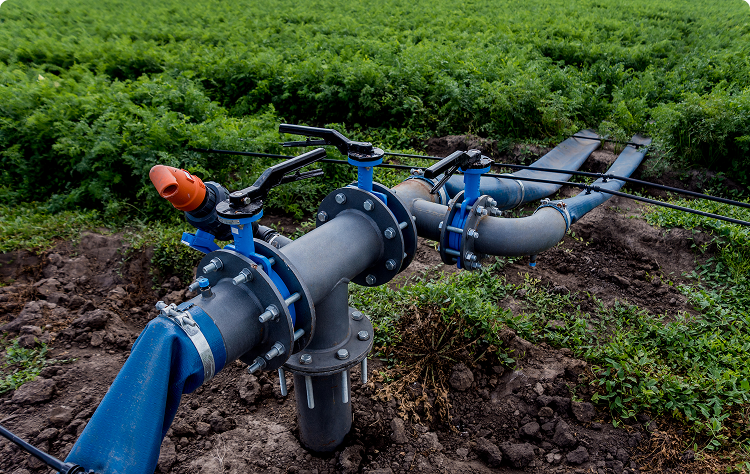
For farmers and agricultural workers, a flow meter helps to optimise precise water levels for irrigation. An accurate flow meter is important because too much water can destroy a crop through flooding, while too little can starve it of the essential nutrients needed. Therefore, these systems can ensure water levels are optimised for agricultural production.
Future of Flow Meters
Flow meters, like other measurement devices, are constantly evolving. Particularly as new technologies and innovations are emerging that aim to transform flow meters from basic measurement devices into fully-fledged, intelligent systems.
For example, recent advancements in technology have led to the development of smart flow meters. These devices utilise Internet of Things (IoT) integration to provide real-time data insights that enable manufacturers to monitor processes remotely. This reduces the amount of manual on-site intervention needed, while providing instant access to critical information that boosts operational efficiency and detects any issues.
New sensors are being developed that aim to deliver improved accuracy, with a non-intrusive design that means they can be more easily placed in confined spaces. Manufacturers are also attempting to deliver more efficient systems that better align with sustainability goals, for a greener future. These are focused around low-energy consumption devices, and using materials such as recyclable stainless steel.
Finally, the rise of Artificial Intelligence (AI) is being increasingly integrated into flow meter design, which can identify patterns and optimise calibrations in real-time.
By understanding what a flow meter is and the various design options available, you’ll be better prepared to select the right instrument. The team at Fluidflo Valve Solutions can support you in making this decision, with a range of products across a diverse range of industries. For more information, don’t hesitate to contact Fluidflo here.