



A vented ball valve is a type of valve with a small relief hole in the ball or stem to release trapped pressure when closed to prevent damage or hazards.
When using a standard ball valve, pressure from trapped fluids or gases can build up when the valve is closed. This trapped pressure can be extremely dangerous and could lead to valve and seat damage or even complete system failure. Vented ball valves create a safe path for trapped media to escape, preventing this pressure from building up.
This specialised device is essential to a range of applications where thermal expansion of the subject medium is a serious concern. Learn more about vented ball valves, and how you can choose the right device for your application.
How Does a Vented Ball Valve Work?
A vented ball valve works similarly to a standard ball valve, with some key differences. A standard ball valve uses a spherical ball with a hole drilled through its centre (called the bore) to control flow. The ball sits snugly inside the pipeline to completely block the fluid or gas from flowing through. An external handle can be turned by an operator to move the ball and allow fluid to flow through.
A vented ball valve works in the same way, but features a small orifice that has been specially drilled into the ball itself. When the valve is closed, the vent allows pressure trapped within the cavity between the valve seats to equalise, preventing excessive pressure from building up and causing damage. When the valve is open, the vent hole is isolated from the rest of the system, allowing liquids and gases to move through uninhibited. The relief hole is drilled into the upstream side of the ball, so when the valve is closed the trapped cavity pressure is released back into the upstream line.
When is a Vented Ball Valve Specified?
The purpose of a vented ball valve is to allow any trapped liquids or gases within the valve’s internal cavity to escape when the ball rotates into the closed position. These valves are often specified for applications where thermal expansion of trapped liquid, or pressure cycling in the pipeline, could otherwise create problems.
Common Materials Used
The types of materials used for vented ball valves will vary depending on the application, each offering a different level of durability and temperature tolerance. They will typically include the following:
Stainless steel (304, 316)
A highly durable option, stainless steel offers natural corrosion resistance, with 316 grade leading to extra protection against chlorides and harsher chemical environments.
Brass
A budget-friendly material suited for lower-pressure water, air and gas systems. It offers decent corrosion resistance and excellent machinability.
Carbon steel
Often chosen for its strength under high-pressure conditions. Carbon steel is commonly used in heavy-duty industrial, oil and gas applications where immense mechanical strength is required, although it is less corrosion-resistant than stainless steel.
PTFE
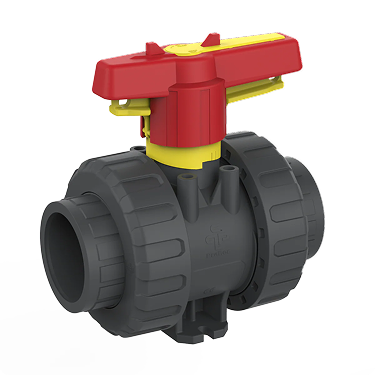
Vented ball valves commonly use soft seats and seals, such as PTFE. It offers excellent chemical resistance, as well as low friction for smooth operation. Although it is softer than metal and can distort under high pressure or temperature, reinforced PTFE is also commonly used in demanding conditions. The Praher M1 vented ball valve uses PTFE seats with a thermoplastic body for reliable performance in corrosive applications.
Common Applications
Due to its unique properties, a vented ball valve is used in a variety of applications. These include the following:
Pneumatic systems
For compressed air systems, these valves act as line bleeders to allow trapped air between the seats to be safely vented. This ensures the system reaches a Zero Mechanical State (ZMS) to prevent dangerous pressure spikes.
Gas distribution
For gas pipelines, vented ball valves can help to equalise pressure changes and prevent fuel gases or high-pressure vapours from building dangerous pressure pockets. This promotes safer and more reliable operation.
Chemical processing
Because many chemicals are highly volatile, vented ball valves are often essential for relieving trapped pressure back into the line and avoiding any of the risks of releasing this potentially hazardous media externally.
Water treatment
For water facilities, these valves help prevent gas locks and cavity overpressures that are caused by outgassing chemicals. By venting the trapped gas bubbles back upstream, this ensures accurate fluid dosing while reducing wear on components.
Cryogenic valve LNG applications
Vented valves are a crucial component to the safe transport and storage of Liquefied Natural Gas at roughly -162°C. Without ventilation, the trapped liquid LNG will boil and expand 600 times in volume, creating a potentially serious hazard.
Oil and gas
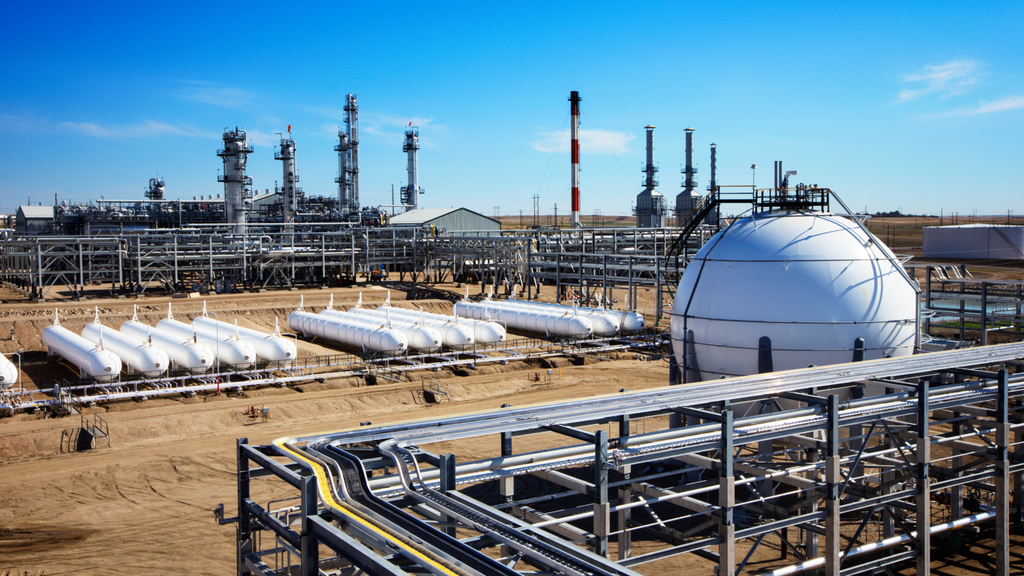
Oil and gas operations involve conditions that are high-pressure and high-temperature. Vented ball valves are well suited for these conditions, where thermal expansion of hydrocarbons needs to be safely vented.
Food processing
Vented designs are widely used in food and beverage applications, helping to maintain a safe, hygienic environment by preventing pressure buildup that could compromise seals or contribute to product cross-contamination.
Advantages and Limitations
Advantages
- Relieves trapped pressure
Its ability to relieve trapped pressure is the most significant advantage. These valves are specially designed to allow trapped fluid or gas between the seats to equalise through the vent hole, preventing any dangerous pressurisation from occurring. - Improves safety
Linked to the previous advantage, by managing trapped pressure, these valves can reduce the risk of a sudden pressure release or valve failure. This makes them essential to improving the safety of applications that involve high-pressure or thermal expansion. - Extends component life
By preventing trapped pressure from wearing down the seats and seals, vented ball valves can help extend component life to maximise your investment and prevent time-wasting maintenance and costly replacements. - Simple operation
Vented ball valves, like standard ball valves, use a simple quarter-turn (90-degree) operation that makes them efficient and convenient to use. They are also generally easy to install and remove.
Limitations
- Atmospheric hazard risk
An externally vented ball valve that releases trapped media into the atmosphere may pose a safety or environmental risk when handling hazardous, toxic or flammable substances. When the media presents a genuine hazard, consider internally vented valves that reduce trapped pressure back into the upstream line rather than releasing it externally. - Throttling limitations
Vented ball valves, like standard ball valves, are only designed for simple on/off control. They aren’t designed for the precise regulation of flow or throttling control. - Higher upfront cost
When compared to standard ball valves, vented ball valves will be slightly more expensive for the same size and material. This is due to the extra manufacturing complexity involved in creating the relief hole, as well as the fact that they’re a more niche product, with lower production volumes also increasing cost.
How to Choose the Right Vented Ball Valve
To help you choose the right vented valve for your application, please consider the following key factors:
External vs internal venting
It’s helpful to be mindful of the key differences between external and internal venting, and how this impacts your choice of vented ball valve.
- External venting
The trapped downstream pressure is released directly into the outside atmosphere through a small hole in the valve body when closed. It is commonly used for pneumatic air tools, but should never be used if the medium is toxic, flammable or foul-smelling. - Internal venting
Rather than releasing it externally, internal venting is designed to vent trapped pressure internally by redirecting it back into the upstream line. This is usually the preferred option when handling any hazardous, toxic or flammable substances where leakages would pose an environmental or safety risk.
Flow direction
Vented ball valves are directional, meaning the relief hole needs to sit on the upstream side of the ball valve when the valve is closed. Always check the flow arrow on the body to confirm it matches your line before installing. If the valve is installed backwards, the vent faces downstream, which means the trapped cavity pressure can be relieved correctly.
Cavity venting
Cavity venting is where the pressure trapped inside the valve is released between the seats when it’s closed. This protects the valve from damage caused by thermal expansion or pressure cycling. This is different to downstream venting, where the pressure from the pipework is released on the downstream side, to protect equipment and operators. Choosing the right type of venting for your system will be an important step to choosing the right valve.
Pressure rating
Your choice of valve must have a maximum allowable working pressure (MAWP) that never exceeds the maximum pressure your system will experience. This shouldn’t just factor in the steady operating pressure, but also any spikes due to thermal expansion or pressure cycling during opening and closing. When pressure ratings are exceeded, this can cause the valve body to crack or leak, and is one of the most common causes of premature valve failure, particularly for high-risk applications.
Temperature rating
The temperature rating is just as important as the pressure rating. Extreme temperatures can degrade the valve’s soft seals, while extreme cold can make the seals brittle and more prone to cracking. Consider the everyday operating temperature and any extreme temperatures the valve may be exposed to, including the media passing through it. This will also directly affect your choice of seat and seal material, to ensure it can withstand the maximum temperatures involved.
Media compatibility
All components of a vented ball valve, including its body, seats and seals, need to be compatible with the fluid or gas passing through it. This is an important factor for preventing any dangerous chemical reactions or accelerated wear and corrosion that could bring forward the need for replacement.
Valve size
You will need to match the valve connection size to the existing piping for smooth operation; with 1/4 inch, 1/2 inch, and 3/4 inch all common sizes. Check the diameter of the pipes where the vented valve needs to be installed, and ensure your chosen size matches your existing piping.
Material compatibility
It will be important to choose materials that are compatible with your application. This choice should be driven by a combination of factors, including pressure, temperature and media compatibility requirements.
Stainless steel, brass and carbon steel are three of the most common choices, each suited to different operating conditions. Brass is incredibly cost-effective, but not as durable as stainless steel, which is often mandatory for harsh chemical and corrosive environments. Ensuring you choose the right material for your application is vital for avoiding costly replacements and safety issues in the future.
Manual vs automated (actuated)
Depending upon your application, you will need to choose between a manual or automated valve:
- Manual
A manual vented ball valve usually incorporates a hand-operated lever or latching handle. They are usually the more straightforward, cost-effective choice for applications with infrequent use that can be easily handled on-site. - Automated
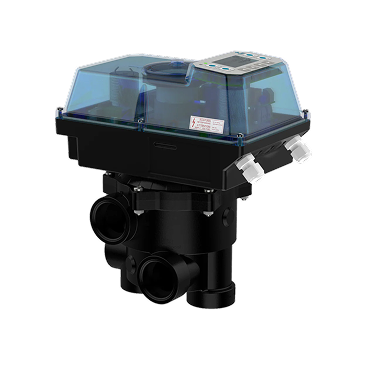
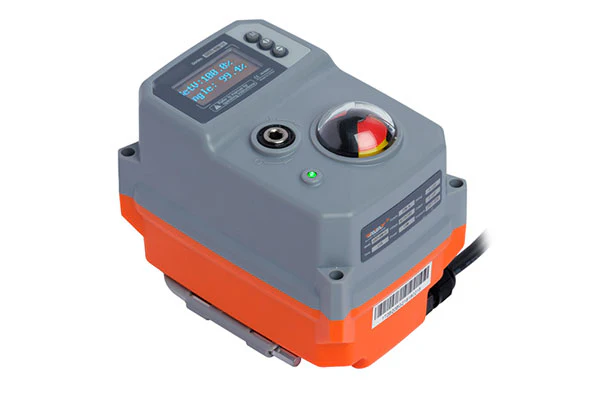
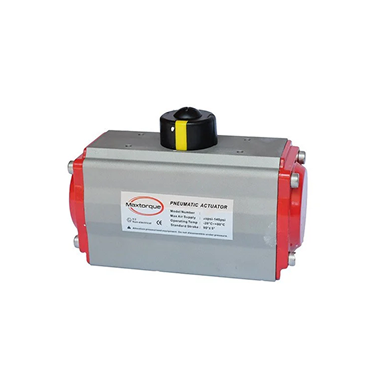
These are usually powered by pneumatic or electric actuators that are integrated with an automated control system. They are usually preferred for remote operation or when the valve needs to be integrated with a broader monitoring system. However, automated valves are more expensive and complex to run.
Fluidflo Valve Solutions specialises in providing comprehensive valve solutions to a diverse range of industries across Australia. Our team takes pride in providing solution-oriented customer service and can help you choose the right vented valve for your application. We can also provide custom vented valves solutions to suit your specific application. To get in touch with the team, please reach out to us here.