
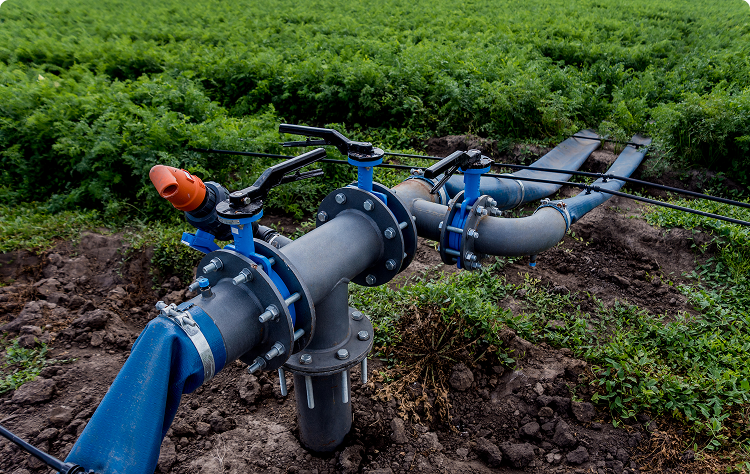


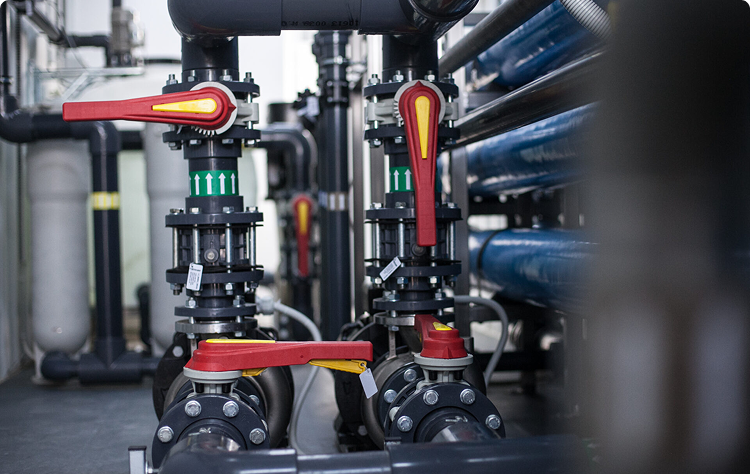
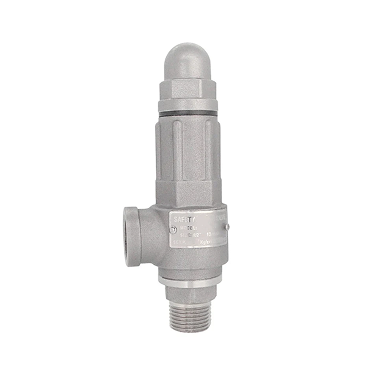

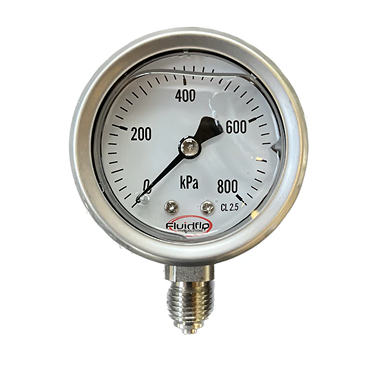
Air release valves must be installed at the highest point of a pipeline, along long horizontal runs, downstream of pumps and at system filling points, where air is likely to accumulate. Without release valves, the trapped air can lead to reduced flow and system failure. By installing these valves in the correct position, you can ensure any trapped air is removed to keep the pipeline running safely at full capacity.
Importance of Air Release Valves
Air release valves are a critical component of pressurised pipeline systems, removing trapped air that accumulates during operation. When air is trapped in the system, it will automatically collect at high points, which can cause significant problems. In a 60cm diameter sewer pipe, trapped air accumulates at a high point and reduces the effective flow area to 25cm.
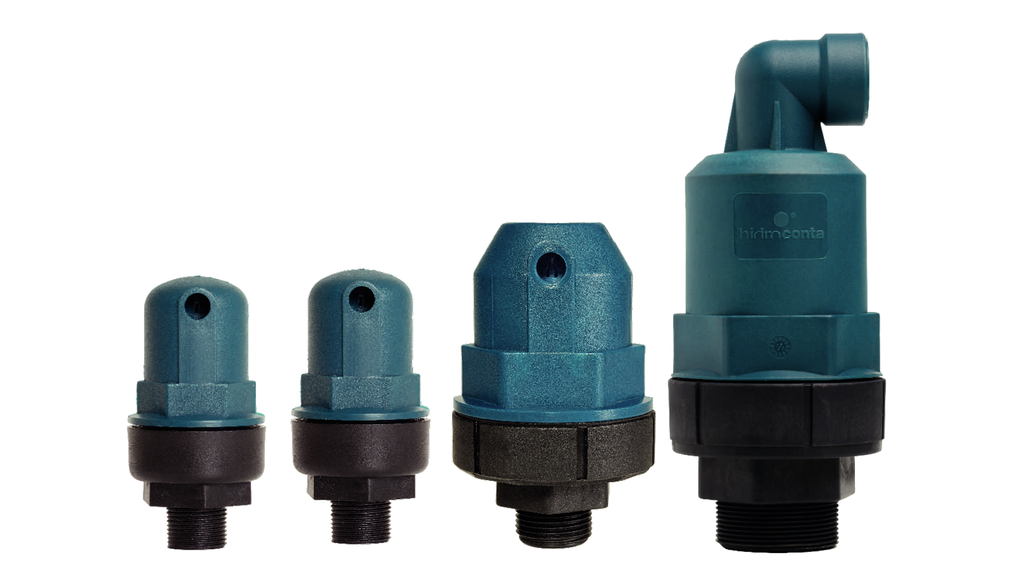
Types of Air Release Valves & How They Work
There are three main types of air release valves that serve the primary function of managing the presence of air in pipelines. However, each valve differs in how they maintain system efficiency, safety and reliability. Based on their functions, these are the different air release valves:
Automatic air release valves
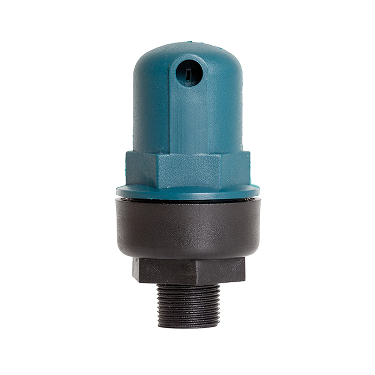
An automatic air release valve is a device that automatically removes accumulated air pockets from pressurised pipeline systems without the need for manual intervention. This plumbing and piping device is installed at the high points to ensure flow efficiency and prevent air locks and water hammers.
An automatic air release valve works by using a float mechanism inside the chamber. When the chamber fills with liquid, the float rises to the top and seals the outlet orifice. When air enters and collects in the chamber, it displaces the liquid, which causes the float to drop and opens the orifice to allow trapped air to escape. Once the air is released, liquid refills the chamber, the float rises, and the valve closes again.
Air and vacuum valves
Air and vacuum valves are also known as kinetic valves. These are designed to release large volumes of air during filling or allow air into the system during draining. They are usually installed at long ascents or descents along the pipeline filling or draining points. They can also be installed at other strategic locations, changes in elevation, or at points where the line terminates.
During pipeline filling, air is rapidly expelled through the large opening. As water reaches the valve, the float rises and closes the orifice. During pipeline draining or pressure drop, the float drops as liquid leaves the chamber. The valve then opens and allows air to enter the pipeline, which prevents vacuum formation and potential pipe collapse. Without air and vacuum valves, water could not escape quickly during filling, pipes could collapse, or there could be structural damage.
Combination air valves
These valves are a combination of automatic air release valves and air and vacuum valves. A combination air valve contains two separate mechanisms, which are a large-orifice air-vacuum function and a small-orifice air release function. These valves work using a float mechanism that reacts to the presence of water and air. It can be a single-body design that contains the two functions, or a dual-body design where the two valves sit adjacent to each other.
Combination air valves are typically installed in a variety of locations in the pipeline to ensure system integrity. As they combine both functions, ideally installation of these multipurpose valves is at high points where air accumulates, on long steep slopes to prevent air pockets, and adjacent to isolation valves which may trap air.
Key Locations for Installing Air Release Valves
Correct placement of air release valves is essential for ensuring efficient, safe and reliable pipeline operation. As air behaves differently to liquid in that it rises in high points and collects in low flat areas, air release valves must be installed strategically in locations where air is likely to accumulate. The key locations for installing air release valves are:
- High points in the pipeline: Air naturally rises to the highest point, so these are a primary collection point for trapped air in a pipeline. High points where air release valves should be installed are typically located at the highest elevation of its profile, such as upward bends, topographical summits and pipe elevation changes.
- Long horizontal pipeline runs: These near-level, extended sections of piping used in water, sewage and industrial applications are susceptible to the accumulation of trapped air. Air can collect at slope changes, high points and along the crown of these horizontal stretches. Air release valves should be installed along the long horizontal pipeline runs to ensure efficient air management. Even though these pipelines are horizontal, air can become trapped along the interior surface.
- Downstream of pumps: Pumps can introduce air into the system during startup, priming or through turbulence. Air enters the system and travels downstream, which reduces pump efficiency and increases wear and the risk of cavitation. Air release valves should be installed on the discharge side of pumps to remove entrained air immediately.
- Near isolation and control valves: Isolation valves such as gate or butterfly valves and control valves create changes in flow conditions which may result in turbulence, pressure drops and the release of dissolved air. Install air release valves downstream of these types of control valves where turbulence and air accumulation is likely.
- At system start: When the pipeline is filled, large volumes of air must be expelled quickly, which is why installing air release valves in this position is imperative. Air and vacuum valves or combination valves should be installed at pipeline inlets or pump station discharge points.
Tips for Air Release Valve Installation
The correct installation of air release valves is essential to maintain pipeline efficiency and avoid damage due to air buildup. Incorrect installation can lead to serious problems, safety hazards, and significant damage to pipeline infrastructure. To ensure air release valves are installed correctly, follow these tips.
- Choose optimal location: Choosing the best location is the first important decision. Even the best valve will not perform effectively if installed in the wrong place. Valves must be positioned where air is most likely to collect, enter or form. Valves need to be installed at true high points where air naturally accumulates or in additional locations such as downstream of pumps, near control valves, or at system filling or draining points.
- Vertical orientation: Air release valves must be installed upright and vertical. This ensures the internal float can move freely and seal properly. When valves are tilted, they can malfunction easily and cause continuous air leakage or failure to release air.
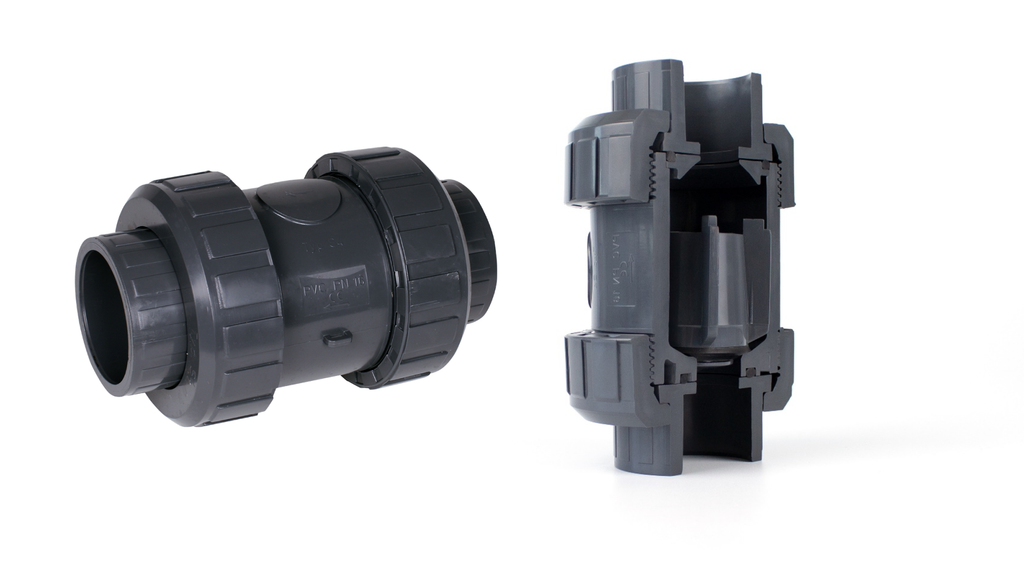
- Include an isolation ball valve: Using an isolation ball valve allows maintenance or replacement of the valve without shutting down the pipeline.
- Ensure the valve is accessible: Make sure the valve is positioned so it can be reached easily for maintenance or inspection. The best place for accessibility is via a valve box or above ground.
- Avoid contamination: Ensure valves are installed in clean conditions where possible to avoid contamination. To do this, use protective covers, screens or strainers.
- Install with proper sealing: Use the appropriate thread sealants, gaskets or flanges. Make sure connections are tightened according to the manufacturer’s specifications.
Consequences of Improper Air Release Valve Installation
Incorrect placement or installation of air release valves can lead to reduced system performance, increased operational costs and potential damage to pipeline infrastructure. Without effective air management, trapped air and uncontrolled air movement can compromise the reliability and efficiency of the system. The main consequences of improper air release valve installation are:
- Public safety and environmental risk: Improper air management can lead to bursting pipes, leaks or system failures, particularly under pressure surges or vacuum conditions. If a pressurised water main bursts due to trapped air, the result could be flooding, damage, and safety hazards for bystanders.
- System instability and inconsistent operation: Air pockets disrupt the continuous flow of liquid, which leads to fluctuating pressures and inconsistent system performance.
- Pressure surges and water hammer: If trapped air compresses and expands within the pipeline, it behaves like a spring, which can lead to erratic and severe pressure surges. This can lead to damage to pipes and joints, and increased risk of system failure.
- Air locking: Air accumulates in high points that end up blocking the flow of liquid. Often the result of this is partial or complete blockage of flow and system downtime.
- Reduced flow efficiency and increased energy consumption: Air pockets reduce the effective cross-sectional area of the pipe and increase turbulence. This causes the pumps to work harder, lower flow efficiency and higher energy costs.
The correct placement of air release valves is imperative to ensure pipeline systems continue to work efficiently. Air naturally enters and accumulates at various points in the system and must have proper management to alleviate any negative effects such as flow blockages, severe surging or complete system breakdown. The correct valve placement is essential for a safe, effective and reliable pipeline system and must be considered with both design and installation. For advice on the best place to install air release valves, contact the experts in valves at Fluidflo Valve Solutions.