






Chemical dosing involves adding precise amounts of chemicals to a liquid, playing a vital role across industries by ensuring water quality, optimising processes, and maintaining safety standards.
Historically, chemical dosing has been an essential part of water treatment, where precise amounts of chemicals are added to water to achieve a desired quality, pH adjustment or safety standard. It’s now also commonly used for waste treatment, agriculture, and food and beverage manufacturing. A chemical dosing system comprises several key components, including storage tanks to hold the chemicals, a pump system to deliver them, and a range of valves to ensure smooth operation. To find the right chemical dosing system for you, it’s important to address your requirements for flow-rate, automation and safety, to guarantee it achieves your goals.
Benefits of Chemical Dosing
Chemical dosing is important because it makes water safer, cleaner and more stable than it would be on its own. Raw water often contains microorganisms, metals, dirt, organic matter or imbalances that can make it unsafe to drink or unreliable for industrial use. By adding precisely measured chemicals, you can remove harmful contaminants, kill bacteria, stop corrosion in pipes, prevent scale build-up and stabilise the water so it stays safe all the way to the tap. Without controlled dosing, water quality becomes unpredictable, which risks health, damages equipment and increases costs.
Improves product quality
By delivering precise amounts of chemicals, dosing systems can help improve your products’ quality. For example, chemicals such as chlorine and chloramines can remove harmful microorganisms in water, which ensures it is safe for human consumption.
Cost reduction
Accurate dosing prevents overdosing, reducing chemical waste and lowering operational costs. This efficiency helps businesses save on materials and long-term maintenance.
Precision and accuracy
Modern dosing systems are designed with precision and accuracy in mind. With components such as control systems and valves, they ensure the correct amount of chemical is delivered each time, which helps to improve consistency and reliability.
Compliance with standards
When you incorporate chemical dosing, you are helping your businesses meet the stringent health, safety and environmental regulations that govern your industry. For example, water treatment plants are regulated by the Australian Drinking Water Guidelines, which set limits for chemicals in water. Accurate dosing helps businesses maintain compliance and deliver safe, high-quality outcomes.
Components of Chemical Dosing Systems
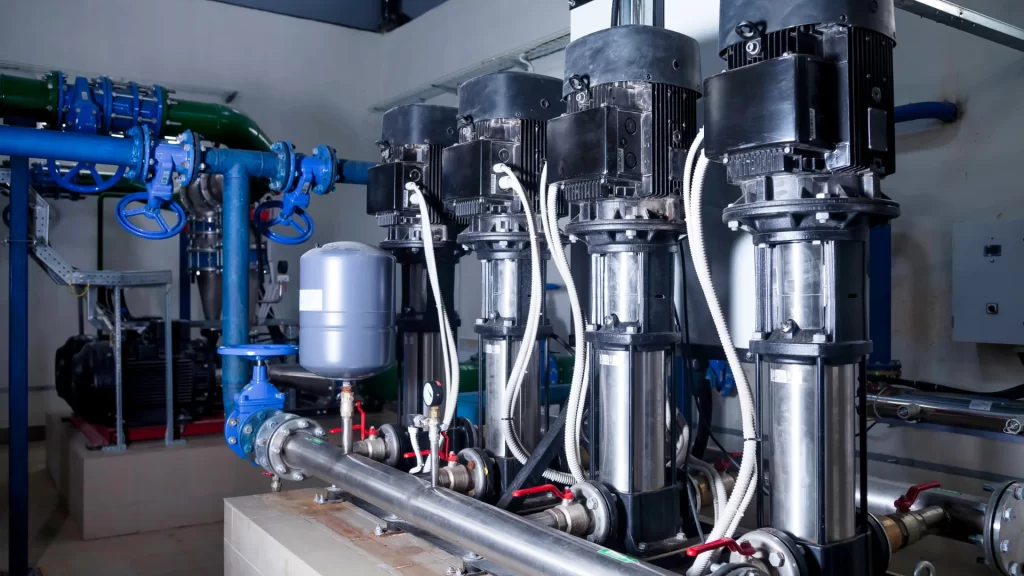
A chemical dosing system relies on several key components working together to store, measure, control and deliver chemicals safely and accurately. Each part plays a specific role in ensuring the system operates reliably, maintains dosing precision and meets the demands of the application. The following components form the foundation of an effective chemical dosing setup and determine how well it performs in real-world conditions.
Storage tanks
Storage tanks hold chemicals before dosing. It must be designed with durable materials that can withstand the stored chemicals, such as stainless steel or polyethylene. Storage Tanks typically come in various sizes to handle the chemical volume needed for dosing.
Chemical dosing pumps
The core mechanism of your chemical dosing system. Responsible for carrying out the precise measurement and delivery of chemicals. They can come in a variety of types, including diaphragm, peristaltic, and piston pumps. Each of these has unique characteristics that make it suitable for different applications and chemicals.
Injection point
The injection point is where the chemical is added to the process. It is strategically located to ensure even distribution and is typically introduced into a pipe, tank, or directly into a body of water.
Pipework and fittings
Pipework and fittings transport chemicals from storage tanks to the injection point. They must be chemically compatible with the fluids being handled and designed to withstand system pressure. Typically, dosing lines are constructed from materials such as PVC-U (polyvinyl chloride), HDPE (high-density polyethylene), PP (polypropylene), or PVDF (polyvinylidene fluoride). These materials are chemically-resistant, with your choice dependent on the corrosiveness of the chemical, pressure and temperature. For example, PVDF is suitable for highly-aggressive acids, while PVC-U is a more cost-effective option.
Flow meter
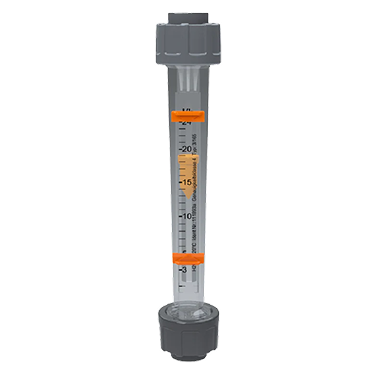
A flow meter measures the amount of fluid being dispensed, helping to ensure the system maintains the precise dosing required. It provides accurate monitoring, allowing adjustments to keep dosing flow rates consistent. For more advanced systems, a closed-loop integration is typically preferred, where dosing pumps are linked to pH levels, chlorine analysers and Oxidation-Reduction Potential (ORP). This allows the system to automatically adjust, if for example, it falls outside of the set pH levels. Some systems may also use flow-proportional dosing, where the dosing is adjusted automatically from the flow-rate detected by the meter.
Control systems
Control systems are responsible for monitoring a dosing system’s process, ensuring the correct amount of chemicals is delivered at the right intervals. They can range from simple manual timers to advanced monitoring systems with in-built sensors and programmable controllers that adjust dosing in real time.
Valves
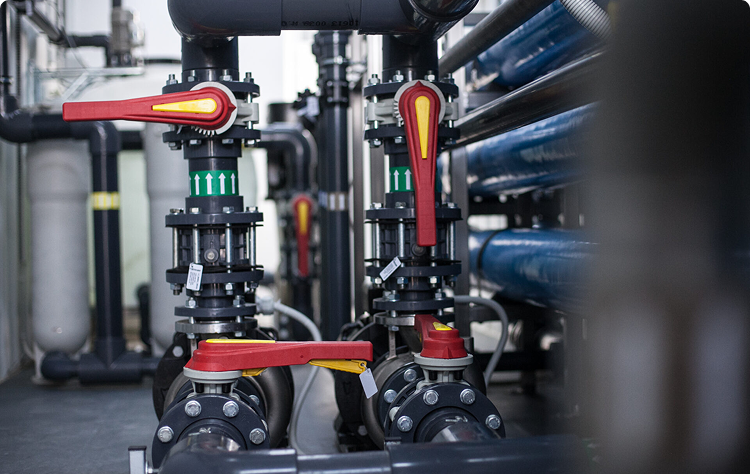
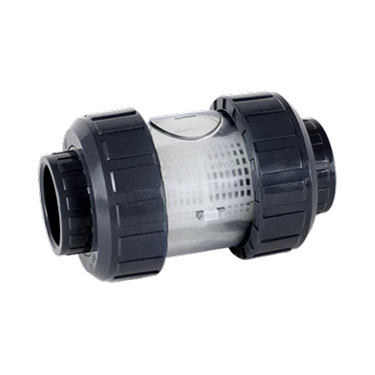
Valves are crucial to a chemical dosing system, performing a variety of important functions. Importantly, all valves must be compatible with the chemicals being used to prevent corrosion or contamination. Commonly, dosing systems will incorporate some of the following valve types:
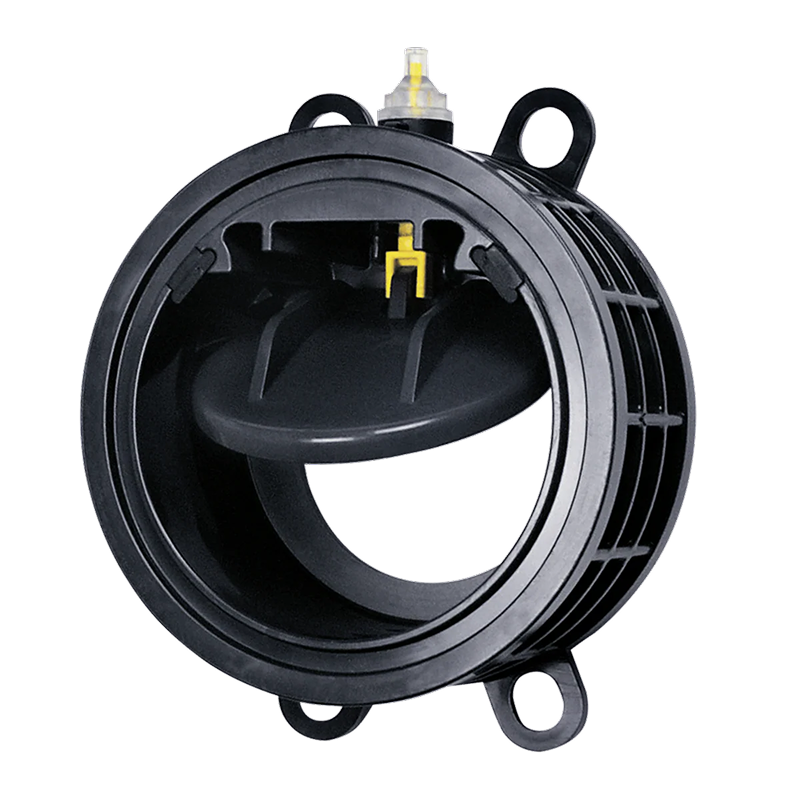
- Check valve – Connected at the point of discharge, a check valve prevents any backflow, ensuring that your chemicals flow in just one direction.
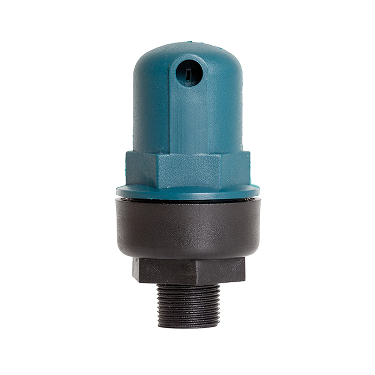
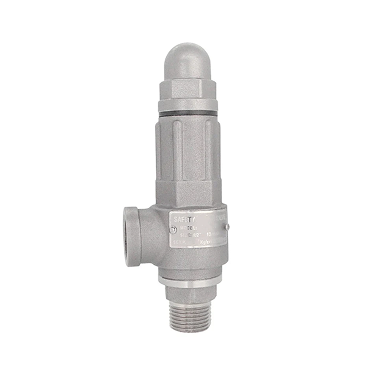
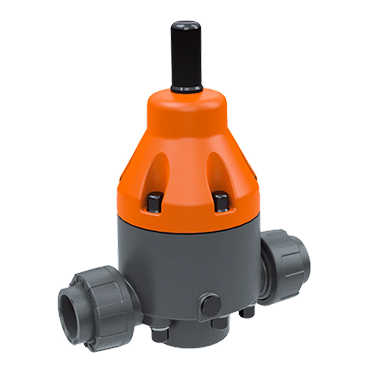
- Pressure relief valves – Systems are also typically fitted with pressure relief valves, which protect against overpressure caused by blockages, pump failures or sudden stops in chemical flow.
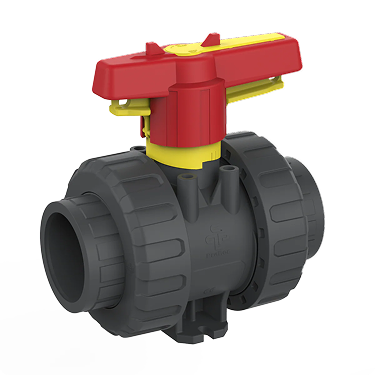
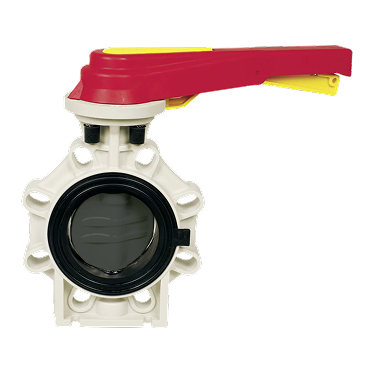
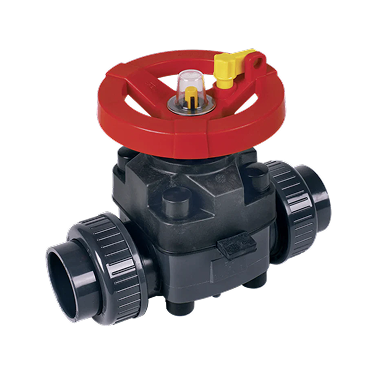
- Isolation valves (ball, butterfly or diaphragm valves) – These valves allow a certain section of your dosing system to be disconnected from the rest, to stop the flow of chemicals to allow maintenance or troubleshooting without needing to drain the entire system. Typically they are installed on both the supply and discharge lines to cage off the pump from the main process.
- Backpressure valves – Within low-pressure or systems with a fluctuating demand, backpressure valves can ensure a constant pressure at the discharge point is maintained. Helps to ensure stable-dosing at a consistent flow rate.
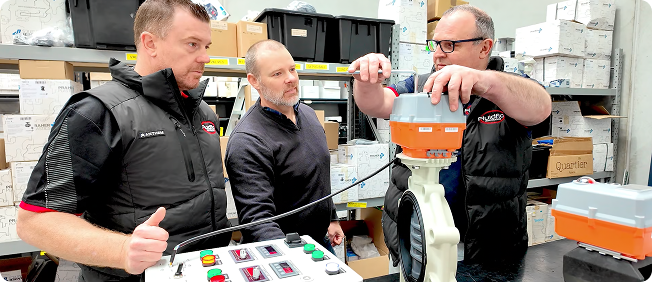
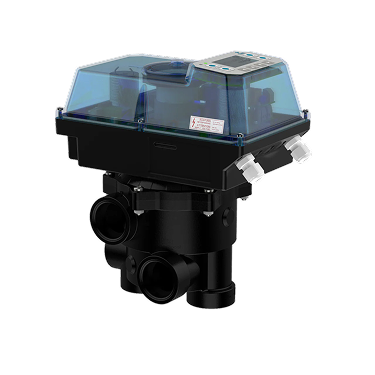
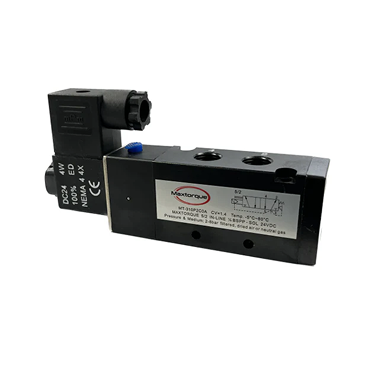
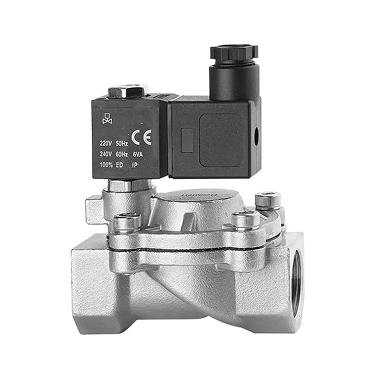
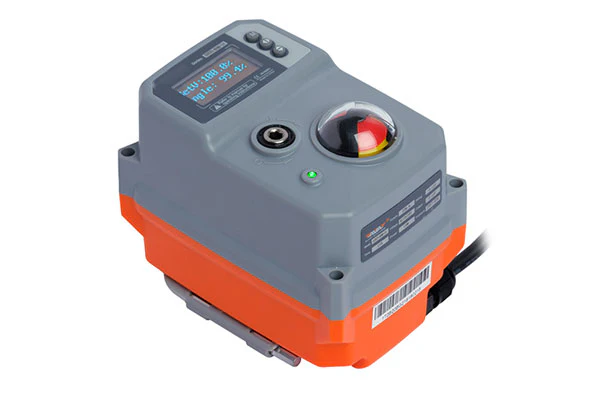
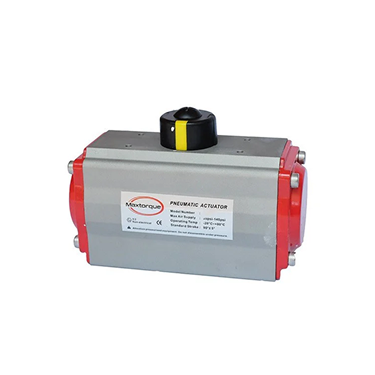
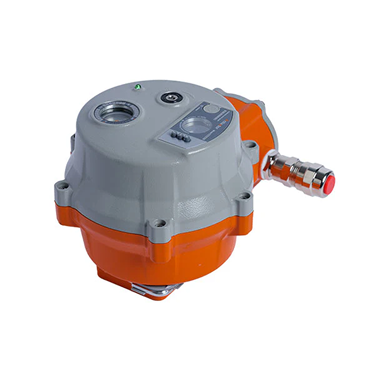
- Actuated shutoff valves – Linked to an electric or pneumatic actuator, a shutoff valve is essential for safety within your dosing system. It automatically closes your dosing lines in response to an alarm, or sensors detecting a dangerous condition such as a leak or hazard. Great for reducing the need for human intervention, with your automatic systems working in unison.
Types of Chemical Dosing Pumps
At the heart of every chemical dosing system is the pump, the component responsible for delivering chemicals with the precision and consistency the entire process depends on. The pump determines how accurately chemicals are measured, how reliably they flow and how well the system performs under varying conditions. Choosing the right pump is critical because different applications require different levels of pressure, chemical compatibility and dosing accuracy. Below are three of the most tried-and-tested pump types for chemical dosing, and the situations where they excel.
Diaphragm pumps
Diaphragm pumps work by using a flexible diaphragm that moves back and forth. When it retracts, a vacuum is created that draws the chemical into the chamber. As the diaphragm moves forward, pressure forces the chemical out through the discharge valve.
The back-and-forth action is highly stable, making diaphragm pumps ideal for accurate dosing. They are also well-suited to handling corrosive or viscous fluids, particularly when constructed from resistant materials such as stainless steel or brass.
Peristaltic pumps
Peristaltic pumps use rotating rollers to compress a flexible tube, pushing a precise amount of fluid through the system.
Highly valued for their simplicity, peristaltic pumps are also easy to maintain because the liquid only contacts the inner surface of the tubing. This prevents contamination of pump components, making them ideal for handling corrosive chemicals. Their straightforward design also allows for quick and easy tube replacement.
Piston pumps
Piston pumps use a piston that moves back and forth within a cylinder to deliver precise amounts of chemical fluid into a system. The pump’s reciprocating action creates suction, drawing the chemical into the cylinder before forcing it out through an outlet.
These pumps provide accurate metering while withstanding extremely high pressure, making them well-suited for demanding chemical dosing applications.
What Industries Use Chemical Dosing?
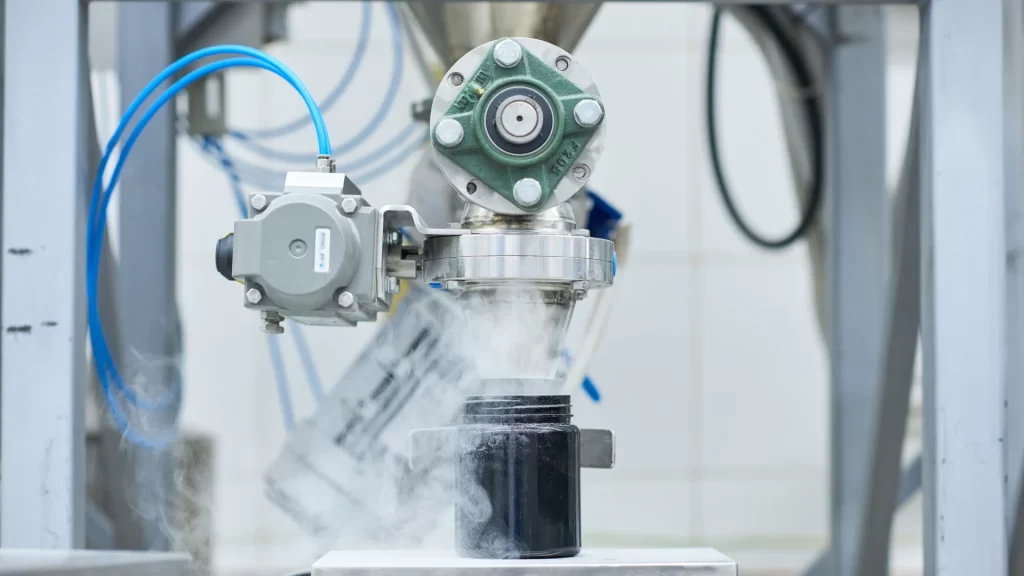
Chemical dosing is a common process in a variety of industries. These may include the following:
Water treatment
Dosing systems are central to the success of water treatment plants. Adding precise amounts of chemicals to water helps achieve several functions, including pH regulation, disinfection, and overall water quality improvement. Dosing systems are essential because they ensure accurate chemical delivery every time, helping to purify water and make it safe for human consumption.
Wastewater treatment
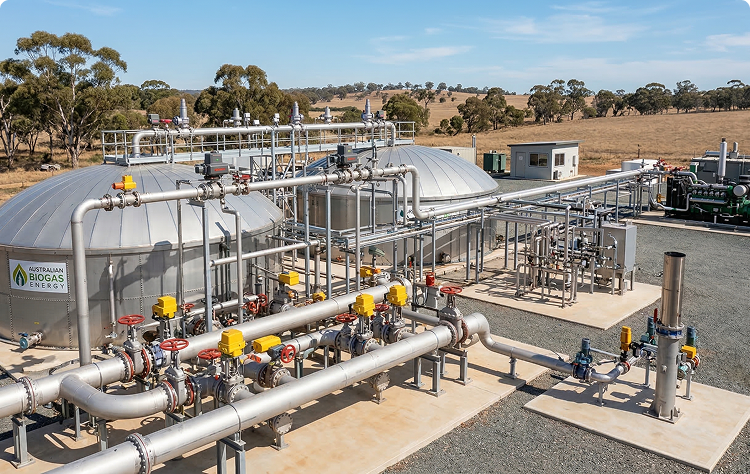
Chemical dosing is used to treat wastewater to ensure it meets strict environmental standards. Specific chemicals, such as disinfectants, chlorine, and ozone, are added to remove harmful substances and improve water quality. This prepares the wastewater for safe discharge into the environment or for reuse.
Agriculture and irrigation
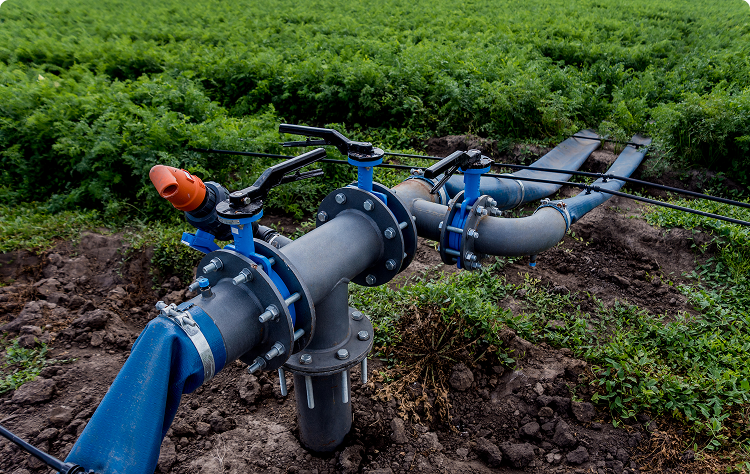
Chemical dosing systems are widely used in agriculture. Automated systems allow farmers to add precise amounts of fertilisers, pesticides, or nutrients through irrigation. This helps improve soil nutrient availability and crop yield while minimising chemical waste.
Food & beverage manufacturing
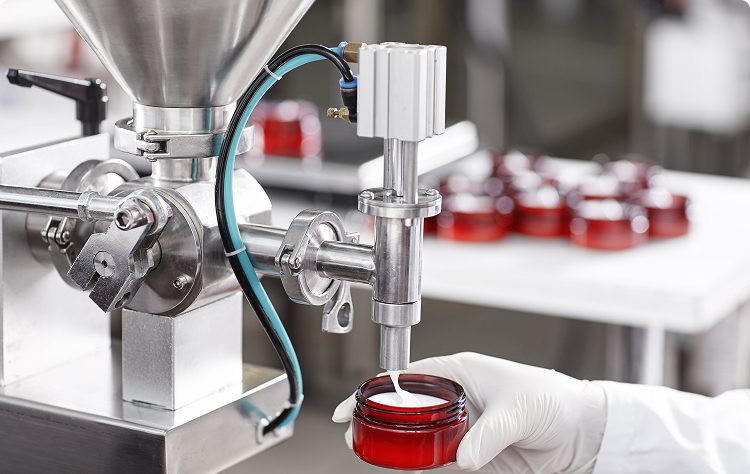
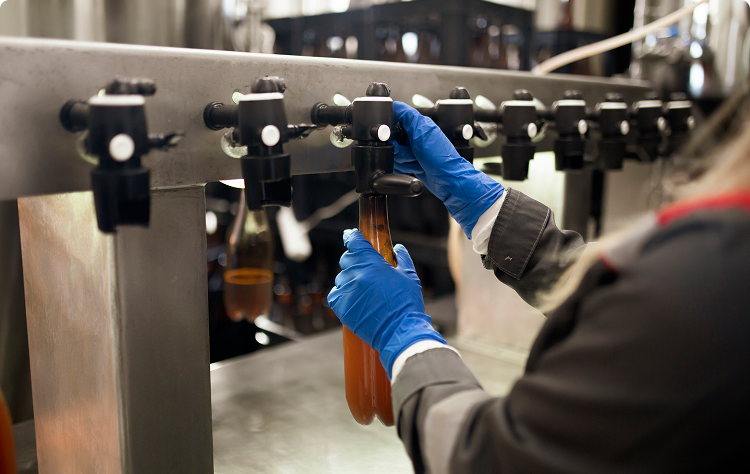
Dosing pumps can be utilised to add controlled amounts of preservatives, flavourings, or acids to food and beverages. These precise amounts help maintain a uniform taste across all products while optimising efficiency. Depending on the food or beverage, dosing pumps can be used to achieve different results. For example, vitamins and minerals can be added to meet specific nutritional targets or health star ratings.
How to Choose the Right Chemical Dosing System
Choosing the right chemical dosing system requires understanding the conditions it will operate in and the demands of your application. Factors such as chemical type, required accuracy, flow rate, automation, safety and system reliability all influence how well the dosing system will perform.
Chemical compatibility
It is important to choose a system that is compatible with the chemicals you will be using. Corrosive, abrasive, or viscous chemicals require pumps and tanks that can withstand these fluids without damage. Systems should be constructed from materials such as stainless steel or PVC to ensure chemical compatibility.
Precision requirements
It is important to choose a dosing system capable of delivering precise dosages. Systems with advanced metering capabilities and programmable logic controllers (PLCs) are generally better suited for high-precision applications.
Flow rate requirements
Understanding the flow rate required for your application is important when choosing the right system. This ensures chemicals can be delivered effectively across the intended distances and elevations, particularly in large-scale operations.
Automation & monitoring needs
Consider the level of monitoring and automation your dosing system can provide. Modern systems often offer real-time, remote monitoring and automatic adjustment, making operation easier and more efficient.
Safety considerations
Safety should always be a priority when handling corrosive chemicals or selecting a dosing system. Ensure the system complies with all relevant regulations and that its components are compatible with the chemicals being used. Choosing a system capable of handling the demands of chemical dosing helps maintain a safe and efficient operation.
Redundancy and reliability
To prevent any unplanned shutdowns and to maintain continuous operation, it’s often essential for your system to have redundancy. Depending on your system’s application, this may be required. Particularly for critical applications where any shutoffs pose a safety risk, such as systems that protect water quality. Duty/standby pumps with auto-changeover valves are a common configuration. This allows a backup pump to take control automatically if the primary pump fails.
How to Ensure Safety and Compliance
Chemical dosing systems must meet strict national regulations to protect both people and the environment. All staff must be properly trained in the safe handling of chemicals, including the location of designated storage areas and procedures for spills and emergencies. When working with chemicals, staff must wear appropriate personal protective equipment (PPE), such as safety glasses, chemical-resistant gloves, and any other PPE specified in the chemical’s safety data sheet (SDS).
Also important to comply with all relevant regulations governing the safe use of chemicals. In Australia, these guidelines depend on the specific industry and application. For example, chemical dosing systems in water treatment facilities are regulated by the Australian Drinking Water Guidelines (ADWG), which set limits on the safe addition of chemicals to drinking water. The ADWG recommends that free chlorine levels in treated water should not exceed 0.2 mg/L under normal conditions.
Depending on your industry, regular inspections and audits may be carried out to ensure your systems comply with safety standards. If you are unsure about the relevant chemical dosing guidelines, contact your industry regulator or the appropriate government body.
Chemical dosing plays a vital role in a variety of industries, from improving water quality in treatment plants to ensuring high yields in agriculture. A Chemical dosing system can unlock several advantages, including precision and accuracy, cost management, and compliance with safety standards. For more information on the importance of chemical dosing, please contact the industry experts at Fluidflo.