

Flow meters measure the volume of a gas or liquid moving through a pipe or conduit, keeping track of the flow rate. Because flow meters can degrade over time, they require regular calibration to ensure they operate efficiently and record accurate measurements.
Flow meter calibration is commonly performed every six to 12 months. However, the exact intervals are determined by the application, manufacturer recommendations, operating conditions and accuracy requirements.
What is Flow Meter Calibration?
Flow meter calibration compares the flow meter with a second, accurate measurement device to identify any discrepancies. If the meter records 10 litres while the reference standard records 11 litres, the difference is identified and documented. Where appropriate, the meter can then be adjusted to bring its readings within the required tolerance. A technician checks the meter “as found” (prior to adjusting) and “as left” (after the adjustment), which documents how much it had drifted and confirms whether it’s not operating within the required accuracy range.
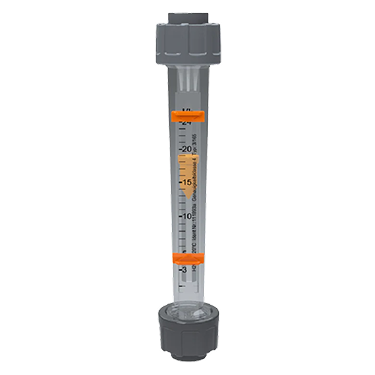
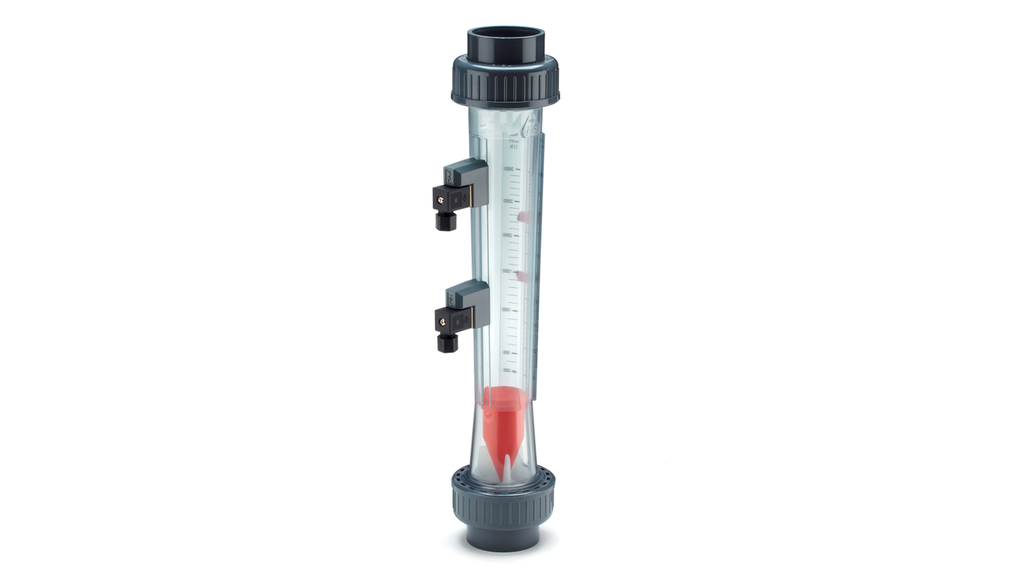
When selecting and calibrating any flow meter, it’s important to consider the required measuring range, material and operating conditions. Fluidflo Valve Solutions supplies the Praher M123, M335 and M350 Series Flowmeters, as well as the Stubbe DFM 165-350 Series Flowmeters with different materials and measuring ranges to suit your application.
Why is Flow Meter Calibration Necessary?
Professionals use flow meters in a wide variety of applications where accurate flow measurements are crucial. Regular calibrations help to ensure that the flow meter continues to perform within its specified accuracy range. The reasons flow meter calibration is necessary include:
- Ensures measurement accuracy: Flow meter calibration is a way to confirm the correct readings are being recorded. Flow meters may initially provide accurate readings but can drift over time due to wear, operating conditions and other factors. If there is any deviation recorded, calibration adjustments provide the best solution.
- Safety issues: If readings are incorrect, it can lead to safety issues. In industrial, chemical and marine applications, fluid or gas must flow within the designated safety margins. Any deviation from these limits can lead to environmental disasters, equipment damage and potentially serious safety issues.
- Compliance and regulation: Many industries are governed by strict regulations and quality standards, requiring the regular calibration of measuring equipment. Common standards include ISO 9001 (quality), ISO/IEC 17025 (testing labs), and industry-specific regulations.
- Operational efficiency: Calibration results in operational efficiency by making sure fluid measurements are precise, consistent and reliable. Accurate data helps operators to work in optimal conditions, reduce resource waste and minimise equipment downtime.
Types of Flow Meter Calibration Methods
Flow meters operate under varying conditions such as different applications, temperatures, pressures and accuracy requirements. The right type of calibration method will be based on these conditions. Key flow meter calibration methods are:
- Master Meter Calibration: The master meter is installed close to the original flow meter. The reading from both meters are compared, with any differences between the meter under test and the reference meter identified and documented. The meter under test can then be adjusted where required. This method is ideal for on-site calibration when heavy equipment is involved.
- Gravimetric Calibration: With this method, fluid passing through the meter is collected and weighed using a calibrated weighing system. The measured mass is used to determine the reference flow and compare it with the reading from the flow meter under test. Gravimetric calibration can provide high levels of accuracy when performed under controlled conditions.
- Volumetric Calibration: Similar to gravimetric calibration, volumetric calibration also collects fluid over a measured period and compares it to the flow rate of the meter under test. Volumetric calibration uses a different measurement technique with a calibrated tank or measuring vessel.
Basic Steps for Calibrating a Flow Meter
Calibrating a flow meter involves comparing its readings to another highly accurate meter or device installed in the same pipe system. Fluid is passed through the pipe, and readings from both devices are recorded under the same conditions. The basic steps for calibrating a flow meter are:
- Review specifications and requirements: The first thing to do is to gather relevant information about the flow meter. To do this, review the specifications and requirements in the manufacturer’s manual. Identify the type of flow meter and determine the operating range, accuracy and tolerances.
- Inspection: The next stage is a physical inspection of the flow meter and system. When inspecting, check for corrosion, blockages or damage. Inspect the electrical connections and wiring and ensure the sensors and transmitters are functioning properly. We recommend checking that the meter is installed in the correct position and orientation, in addition to appropriate pipe alignment and straight-pipe lengths where required.
- Install calibration equipment: This is the physical process of installing the calibration equipment. Typical components for calibration setup include a reference flow meter, a pump and pipe assembly for maintaining constant water flow, adapters and data acquisition software. When setting up, install the meter with the appropriate adapters and flow, ensuring proper sealing. Each calibration method will have a slightly different installation process, such as:
- Gravimetric calibration installation: To set up a gravimetric calibration station, first set up the scale on a dedicated, vibration-free bench and ensure it is level. Connect the balance to the power and allow it to acclimatise.
- Volumetric calibration installation: Installation involves directing fluid into a calibrated tank and measuring the volume over time. Setup requires a storage vessel, diverter valve, timing instruments and level measurement devices. Although less complex than gravimetric systems, it still requires careful installation and temperature control.
- Master meter calibration installation: Master meter calibration can require a relatively straightforward setup. The method involves placing a highly accurate, precalibrated reference flow meter in series with the flow meter under test. Master meter devices integrate easily into existing pipelines, and installation requires minimal structural modification and limited additional equipment.
- Run fluid through the meter: Once the calibration system is installed, run the fluid through the meter under controlled and stable conditions.
- Reading comparison: After the fluid has run through both meters, the recorded readings are compared. Measurement should be repeated at the required test points to confirm repeatability and identify any inconsistencies with the results.
- Document the readings: At this stage, the readings are documented to make sure there is a record of each reading and what date it was taken. When documenting the results, include the meter model and number, calibration method, reference standards and traceability, temperature and pressure readings, test results and calculated errors. Be sure to add the date of calibration, next due calibration date, and technician’s name and signature.
Flow Meter Calibration Frequency
Typically, calibration is performed every 12 months for standard pipelines, and every six months for critical, high accuracy, or harsh conditions. However, there is no universal rule for calibration frequency, and the exact timeframe will depend on the following:
- Fluid properties: If fluids are abrasive or particularly corrosive, calibration of the flow meter will need to be more regular.
- Operating conditions: High temperatures, high pressures, excessive vibrations or high solid content cause faster wear and tear. The likelihood of sensor drift from these conditions causes the need for more frequent flow meter calibration.
- Accuracy requirements: High-precision applications require stricter maximum permissible error thresholds, which necessitates more frequent calibration.
- Regulatory standards: Standards such as ISO, API and AGA often dictate strict calibration frequencies for flow meters.
Signs Indicating the Need for Flow Meter Calibration
Flow meters need regular calibration to ensure process accuracy, efficiency and compliance. The main signs that indicate the need for flow meter calibration are:
- Inconsistent or erratic readings: When readings fluctuate, it often indicates sensor drift, internal component wear, or signal interference.
- Measurement drift or inaccuracy: A drift from expected values when compared with reference instruments suggests recalibration is required.
- Process changes: Modifications in fluid types, pressure, temperature, viscosity, or flow rate may impact meter performance and accuracy.
- Physical damage or wear: Corrosion, mechanical damage, erosion or fouling can compromise measurement reliability.
- System alarms and error messages: If there are frequent alarms or error messages, it is likely an indicator of performance issues requiring calibration or maintenance.
- Unusual noise or vibration: Excessive vibration or abnormal sounds are potentially a sign of mechanical faults that will affect measurement accuracy.
Calibration of flow meters is essential to ensure readings remain accurate as industries rely on these devices to record the amount of fluid or gas moving through a pipe. There are different types of calibration methods according to the conditions. Choosing the right one will depend on the temperature, application and industry standards. For expert advice on how to calibrate a flow meter, contact the team at Fluidflo Valve Solutions.