







PFAS (polyfluoroalkyl substances) are powerful chemicals that have been widely used since the 20th century due to their exceptional resistance to heat, water, oil and stains. These properties make PFAS difficult to break down, which poses risks to both people and the environment. When PFAS enter the human body, they may weaken the immune system and increase the risk of developing certain types of cancer. In the environment, these chemicals can contaminate soil, impact plant growth, and compromise the quality of drinking water.
Because PFAS are so resistant to breakdown, traditional remediation methods are often ineffective. This is why specialised remediation methods, such as ion exchange resins and activated carbon adsorption, are required. As demand for effective solutions grows, future innovations aim to improve the accuracy and efficiency of remediation methods, to protect both people and the environment.
What are PFAS Chemicals?
Polyfluoroalkyl substances (PFAS) are man-made chemicals that have been in popular use since the 1940s. They are commonly referred to as “forever chemicals” because they contain powerful carbon-fluorine bonds that make them difficult to degrade naturally. PFAS are also highly resistant, which is why they’re found in a long list of consumer products, including food packaging, firefighting foam, make-up, non-stick cookware, water-repellent fabrics and more.
Although they continue to be widely used into the 21st century, studies have found links to significant health and environmental effects. Because of these risks, the Australian government has recently implemented a ban on the manufacture, import and export of three key PFAS chemicals (PFOS, PFOA, and PFHxS), to reduce exposure.
Risks of PFAS
Although the durability of PFAS has made it immensely popular, this property also contributes to specific health and environmental risks:
Human health risks
PFAS can enter your body in a variety of ways. It could be by eating or drinking food or water, inhaling PFAS that have accumulated in the environment, or through skin contact with contaminated soil or water. The majority of people in Australia have been exposed to PFAS at some point, as they are commonly used in consumer products. Most people have low levels of PFAS in their bodies; however, if you are subject to repeated exposure, this has been linked to an increased risk of the following:
- Reduced immune system function
- Higher cholesterol levels
- Hormonal changes
- Complications during pregnancy
- Impaired neurological development in children
- Increased risk of developing certain cancers, such as kidney and testicular cancer.
Note: While some evidence has suggested PFAS is linked to these health risks, not all research is conclusive. Consult with your local GP or health centre if you’re concerned about the PFAS levels in your body.
Environmental risks
The proliferation of PFAS chemicals in the environment is also linked to long-lasting problems. Because their compounds are made with highly stable carbon-fluorine bonds, they are resistant to being naturally broken down in the environment. PFAS has been detected in water, soil and air, with their mobility allowing them to spread across different ecosystems. The risks to the environment include the following:
- Contaminated water – Affects aquatic ecosystems and the suitability of drinking water.
- Contaminated soil – Can lead to impaired plant growth.
Note: Similar to human health risks, much of the full-scale research into the environmental risks is still ongoing.
What is PFAS Remediation?
To prevent the ongoing proliferation of PFAS chemicals into the body and the environment, ongoing remediation efforts are being carried out. This refers to the process of attempting to remove or break down the PFAS chemicals present in the environment. Due to the strong bonds within PFAS, traditional remediation methods that break down organic pollutants are proving ineffective. However, new innovative methods for tackling PFAS are being introduced.
What are the Remediation Methods for PFAS?
Because of the varied nature of PFAS, with its ability to travel across multiple contamination points, specialised remediation methods must be employed. The following are eight examples of different approaches to PFAS remediation:
Activated carbon adsorption
Granular Activated Carbon (GAC) has been used in a variety of chemical treatments, including against PFAS. Because PFAS molecules are attracted to the activated carbon’s surface, GAC can be used to adsorb traces of PFAS. Remediation is usually carried out by passing contaminated water through a carbon filter, either at the point of entry or the point of use. As the water flows through, the PFAS chemicals stick to the carbon particles for adsorption.
Ion exchange resins
The ion exchange method uses a special resin that attracts and binds to PFAS molecules, helping to remove them from contaminated water. This typically involves passing water through the resin, which acts like a magnet that captures the oppositely charged PFAS compounds onto its surface.
Chemical oxidation
Powerful chemical oxidants, such as hydrogen peroxide, ozone or persulfate, can break down PFAS molecules into other byproducts. Carried out by injecting the oxidant into the contaminated surface, before allowing for a chemical reaction to take place that degrades the PFAS.
Phytoremediation
A natural method that uses different species of plants to extract or degrade PFAS chemicals from soil or water. This is achieved by using species such as sunflower, mustard and hemp, which can accumulate PFAS chemicals through their stem and leaves. Research into this method is still ongoing; however, it promises to be a more sustainable solution that uses the natural habitat for regeneration.
Soil washing
This involves washing down contaminated soil with water or a specialised chemical solution to eventually remove the PFAS. The goal of soil washing is to transfer the PFAS from within your soil to a liquid form, which can then be treated using other remediation methods such as carbon adsorption.
Thermal treatment and destruction
Includes methods such as incineration and thermal desorption, where contaminated materials are exposed to high temperatures that destroy their chemical structure. Incineration, for instance, can occur at over 700°C, which breaks up PFAS into less harmful molecules such as carbon dioxide. This method is challenging to adopt because of the high amount of energy that’s needed, and its contribution to air pollution. New technologies and research are being conducted that hope to minimise the environmental impacts for improved energy efficiency.
Reverse osmosis
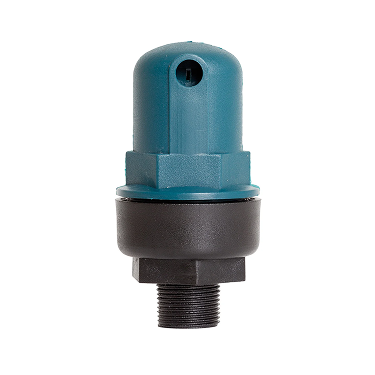
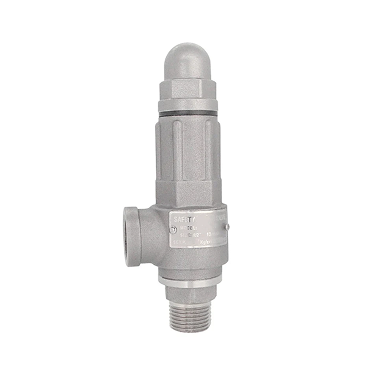
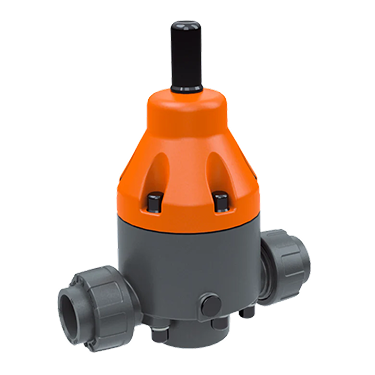
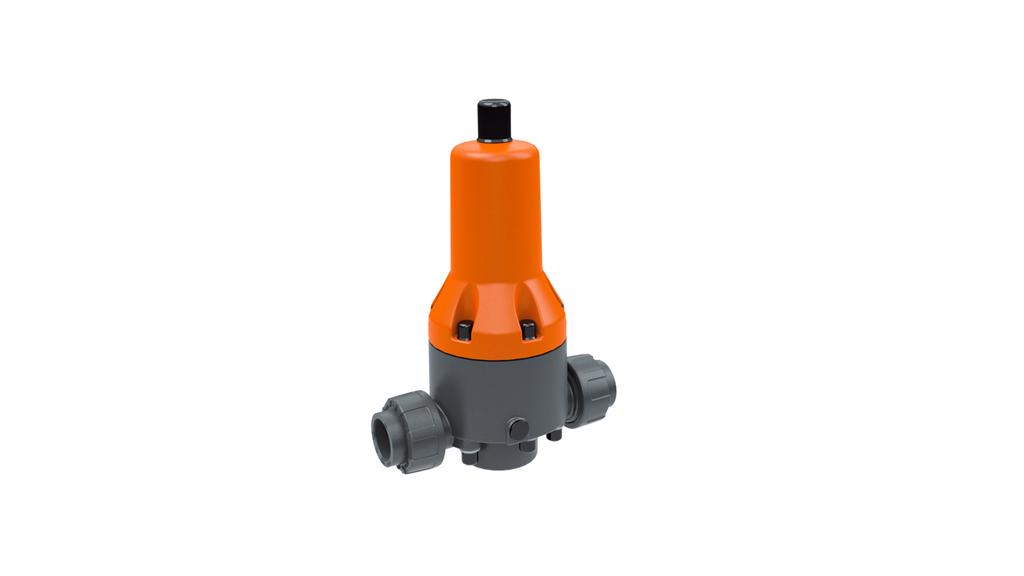
Reverse Osmosis (RO) operates by using high pressure to force contaminated water through a semi-permeable membrane with small pores. While the membrane allows water to pass through, the pores also block other contaminants and molecules from entering. This method has proven to be effective at treating contaminated water, with research finding it to be 90-99% successful at removing PFAS. Because these systems use high-pressure, pressure-reducing valves are also essential for protecting equipment from dangerous pressure fluctuations.
Combined remediation approaches
Often, the best way to remove PFAS contamination is to combine multiple treatments. This ensures all the different aspects of contamination are addressed for ultimate effectiveness. For example, you may transfer PFAS contaminants in soil to a liquid form with soil washing, which is then treated with activated carbon adsorption.
What Are Some of the Challenges with PFAS Remediation?
PFAS is a challenging chemical for accurate remediation due to the following reasons:
Chemical stability
As previously mentioned, PFAS are exceptionally resistant to natural degradation because it is made up of strong carbon-fluorine bonds. This makes it challenging for remediation methods that attempt to break PFAS down, requiring more inventive approaches.
High mobility
Because they can’t be broken down naturally, PFAS can travel between different environments quickly and efficiently. PFAS can migrate from within the water to soil through direct contact, and then to the human body when contaminated plants are eaten. This makes it a challenge to accurately identify and demarcate contaminated sites for remediation.
Complex treatment requirements and cost
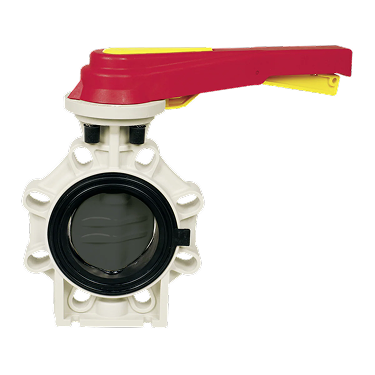
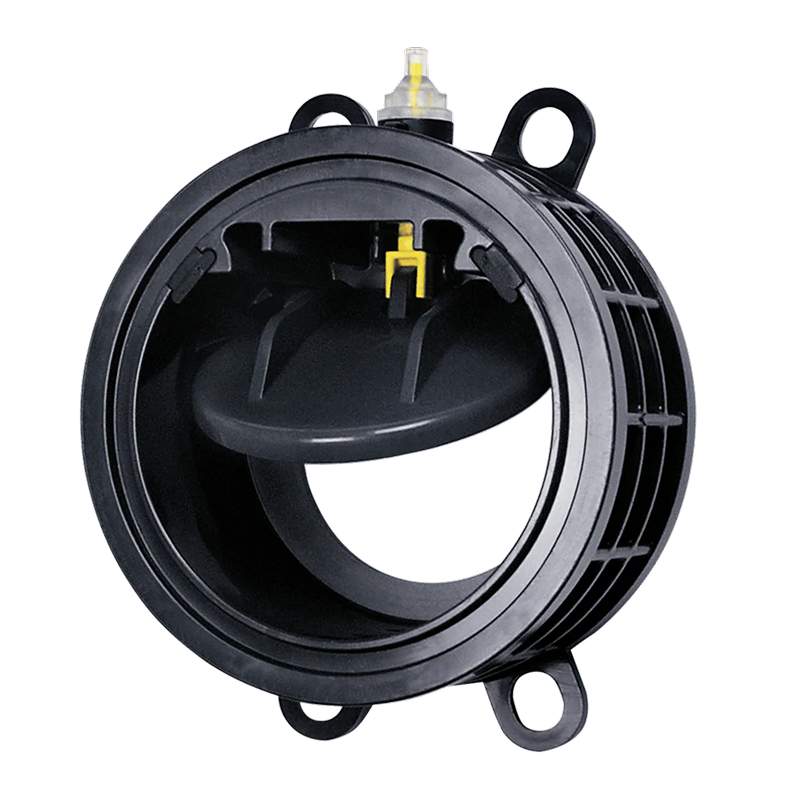
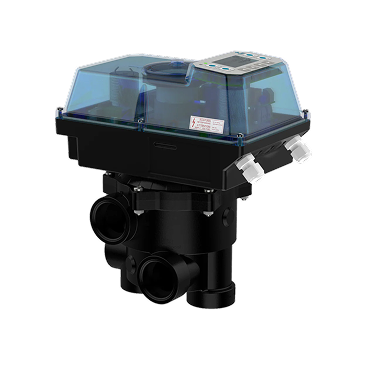
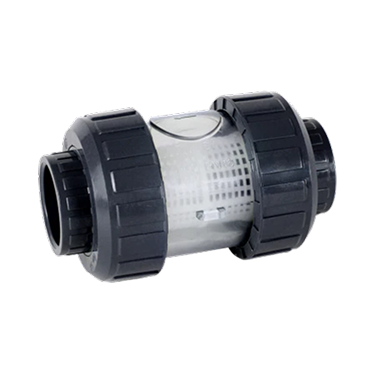
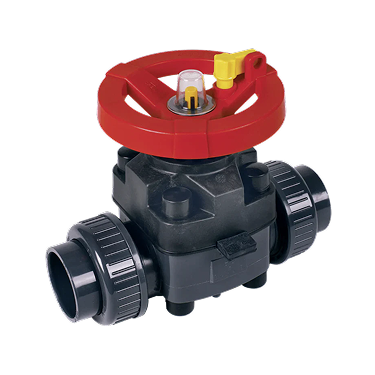
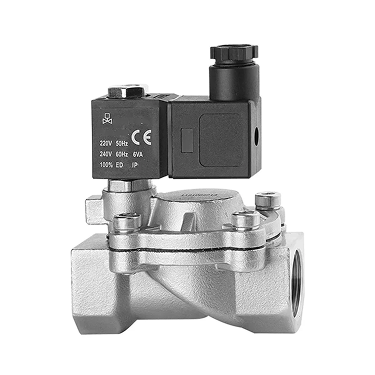
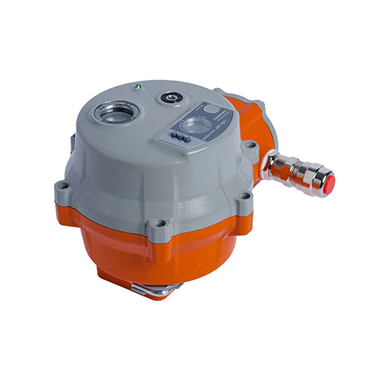
Traditional wastewater remediation systems aren’t designed to remove PFAS chemicals. To treat PFAS, the industry has to invest in specialised technology, such as carbon adsorption and ion exchange. This investment can be expensive, especially for large-scale PFAS remediation, with ongoing operational costs in technology implementation, waste disposal and long-term monitoring. Investment in durable valves and actuators will also be required, such as check valves to prevent backflow and electric actuators for automated control. Fluidflo Valve Solutions offers a range of quality equipment to handle the demands of PFAS remediation.
Regulatory Requirements and Compliance Considerations
Regulations around PFAS remediation are constantly evolving, especially as new methods are developed to ensure the safety of both people and the environment. In Australia, strict environmental regulations must be carefully considered when managing PFAS contamination.
At a national level, PFAS contamination is regulated under the PFAS National Environmental Management Plan (PFAS NEMP). This plan provides an overarching framework for managing PFAS contamination, including guidance on conducting investigations, undertaking risk assessments, and meeting remediation standards. For example, the Australian Government has introduced strict PFAS drinking water guidelines, which aim to set a national benchmark for industries involved in remediation. For more information on regulatory compliance at a national level, visit the PFAS NEMP page here.
At the state level, individual environmental authorities determine how remediation activities should be managed. For example, EPA Victoria provides guidance on how PFAS-contaminated materials are handled within the state. By staying up to date with regulatory standards, businesses can help protect the community and minimise the risk of future contamination. Fluidflo offers solutions for PFAS remediation applications, with valves and actuators that are vital to supporting safe and compliant operation.
Future Innovations in PFAS Remediation
With a growing need for effective PFAS remediation methods, several innovative technologies are being developed that promise higher efficiency for more accurate treatment. These include the following:
Bioremediation
An eco-friendly approach to PFAS remediation. This method uses certain living organisms, such as plants or microbes, that can naturally degrade the compounds that make up PFAS chemicals in soil and water. Although this method is still in the early stages of research, it promises to be a low-impact, sustainable alternative.
Plasma-based destruction
As we previously mentioned, thermal treatment is one of the most destructive approaches to breaking down PFAS. Not only does it require the use of considerable energy to achieve results, but the process can also lead to harmful pollution. Thankfully, new developments are targeting plasma-based destruction as a viable solution. This uses a superheated, ionised gas to break down the PFAS molecules into a less harmful substance, such as water. Because it doesn’t create any hazardous waste, this method has the potential to be more sustainable and cost-effective by reducing the need for extensive waste disposal.
Supercritical water oxidation
Supercritical water oxidation (SCWO) is an exciting technology that promises to eliminate traces of PFAS in contaminated water. It achieves this by breaking down the strong carbon-fluorine bonds by heating water above its critical temperature of 374°C and compressing it above 218 atm (3,200 psi). Once this has been carried out, water enters what’s called a supercritical state. This accelerates the oxidation process that breaks down the stable carbon-fluorine bonds into harmless substances.
Artificial Intelligence (AI)
The potential for AI and machine learning can transform the way we approach remediation. In particular, its ability to process a large amount of data to identify patterns and the distribution of contaminated sites more quickly than traditional methods.
Although it’s a constantly evolving industry, PFAS remediation is vital to improving the health of our population and the natural environment. Although current remediation methods have proved successful, innovations in artificial intelligence and bioremediation are taking the industry in exciting new directions. Fluidflo is the industry leader in distributing high-quality valve products across Australia. To learn more about how their range of products can support your PFAS remediation project, please contact the team.